
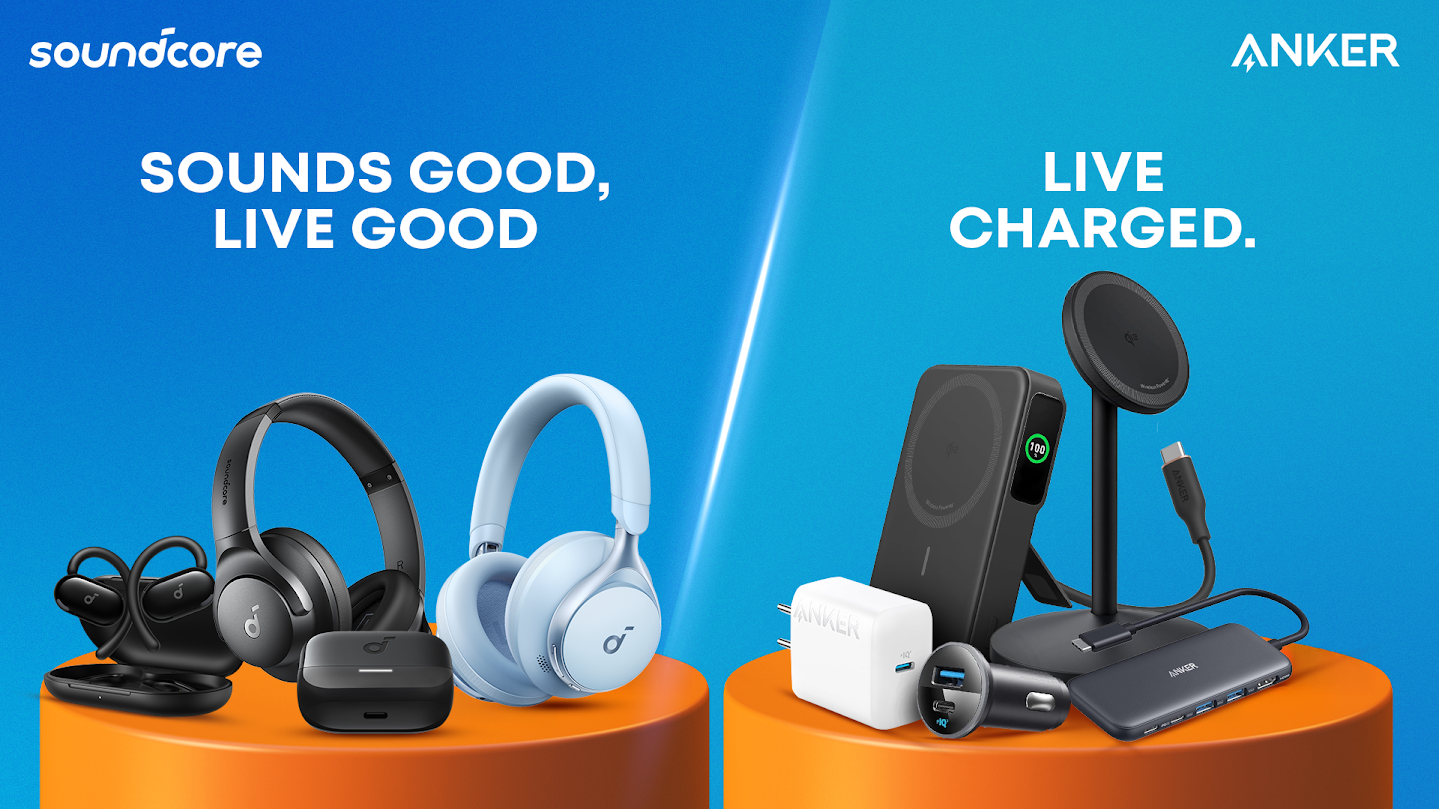
Background
Anker and soundcore operate in a category flooded with feature-heavy, price-driven communication.
Power banks, chargers, cables, and audio products are often sold as interchangeable commodities-leaving consumers overwhelmed, under-informed, and unsure whom to trust.
The task wasn’t just to post regularly.
It was to rebuild how people think about power, sound, and reliability and move
them from
awareness to confident
purchase.
Challenges
How do you build a meaningful social media presence for a tech brand when:
- Consumers only notice a product when it fails.
- Specs sound impressive but don’t feel personally relevant.
- Trust is critical, yet hard to establish digitally.
- Social media is expected to deliver both education and conversion.
The challenge was to design a full-funnel content ecosystem, not isolated posts.
CREATIVE STRATEGY
We structured the social media strategy across four connected stages:
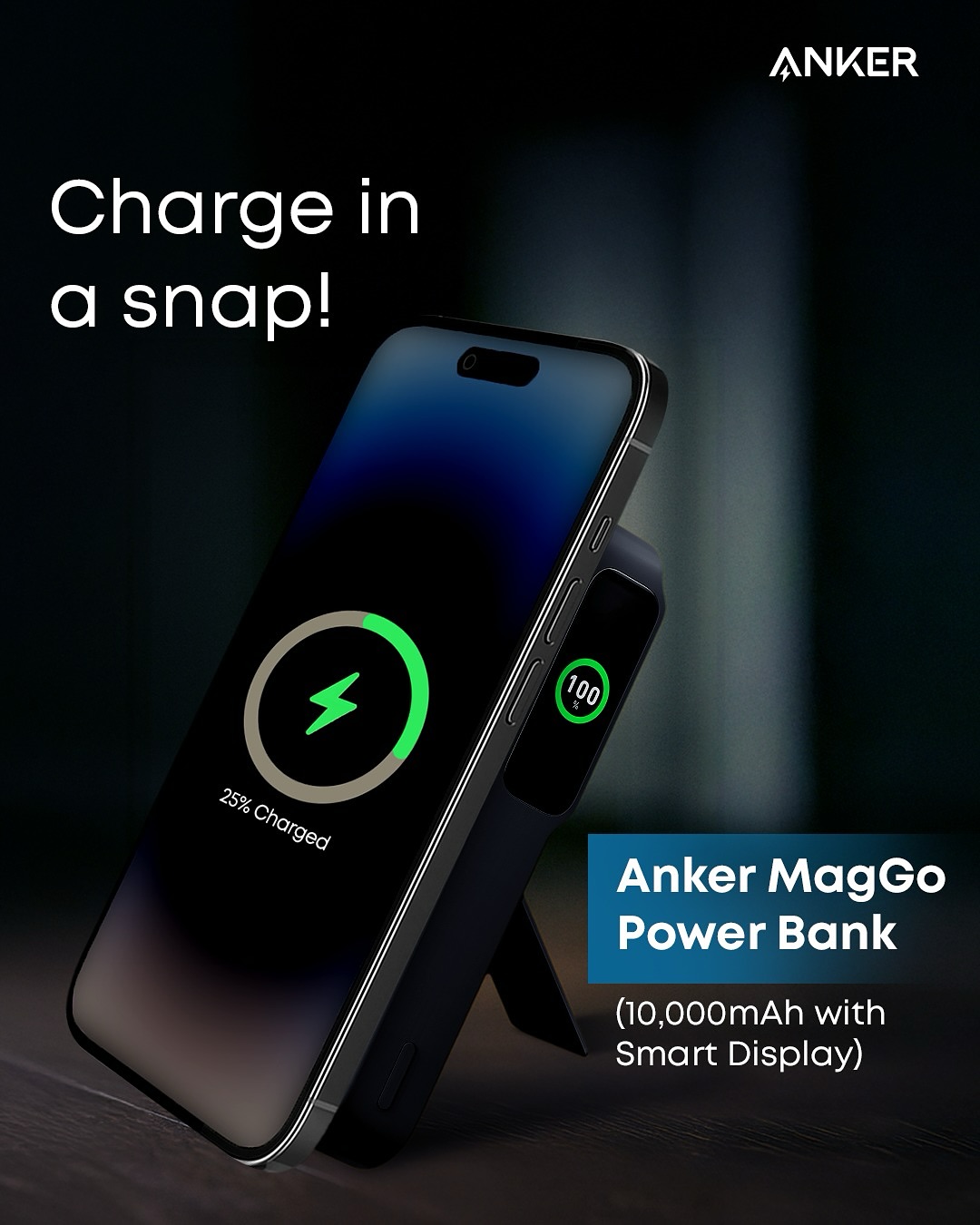
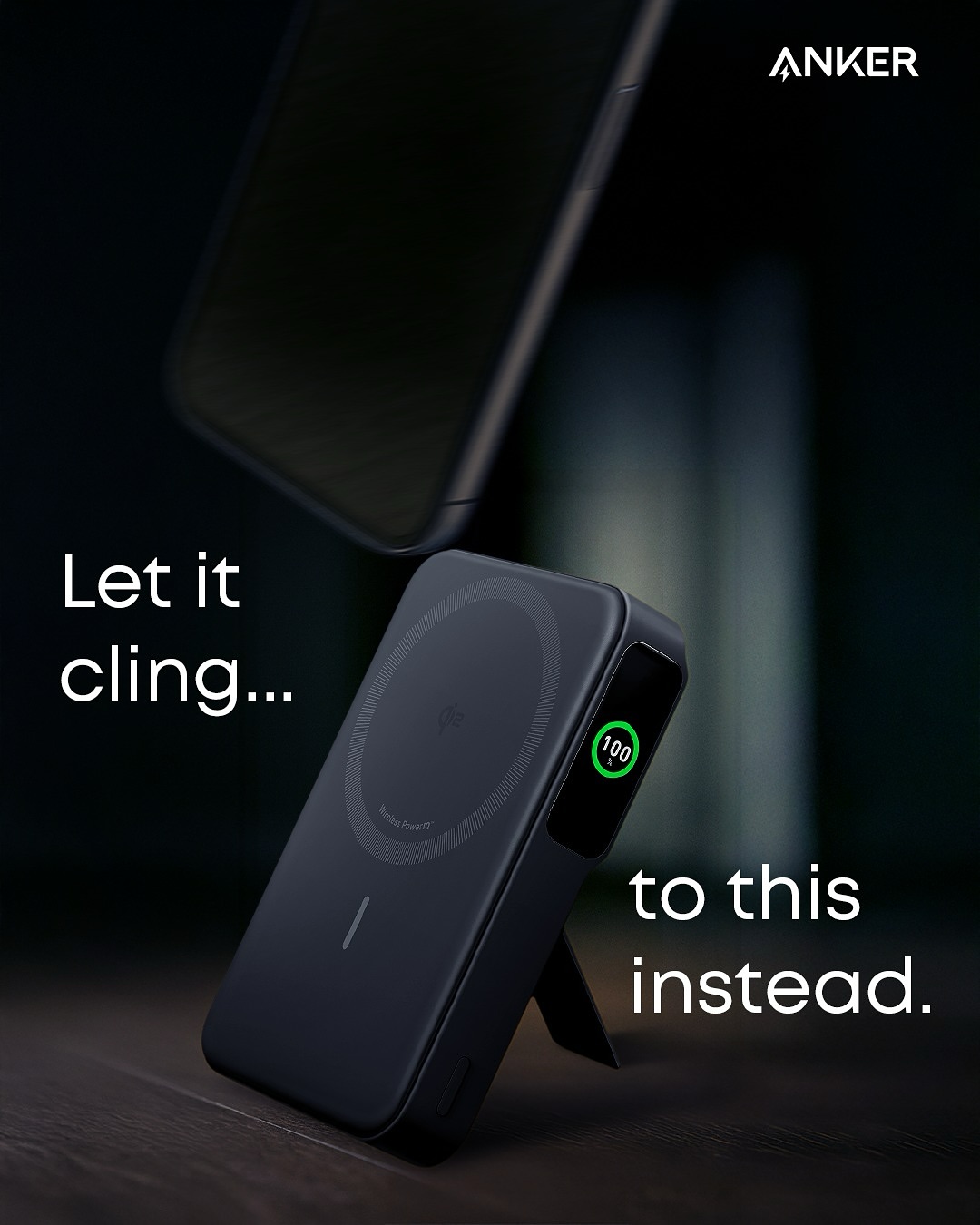
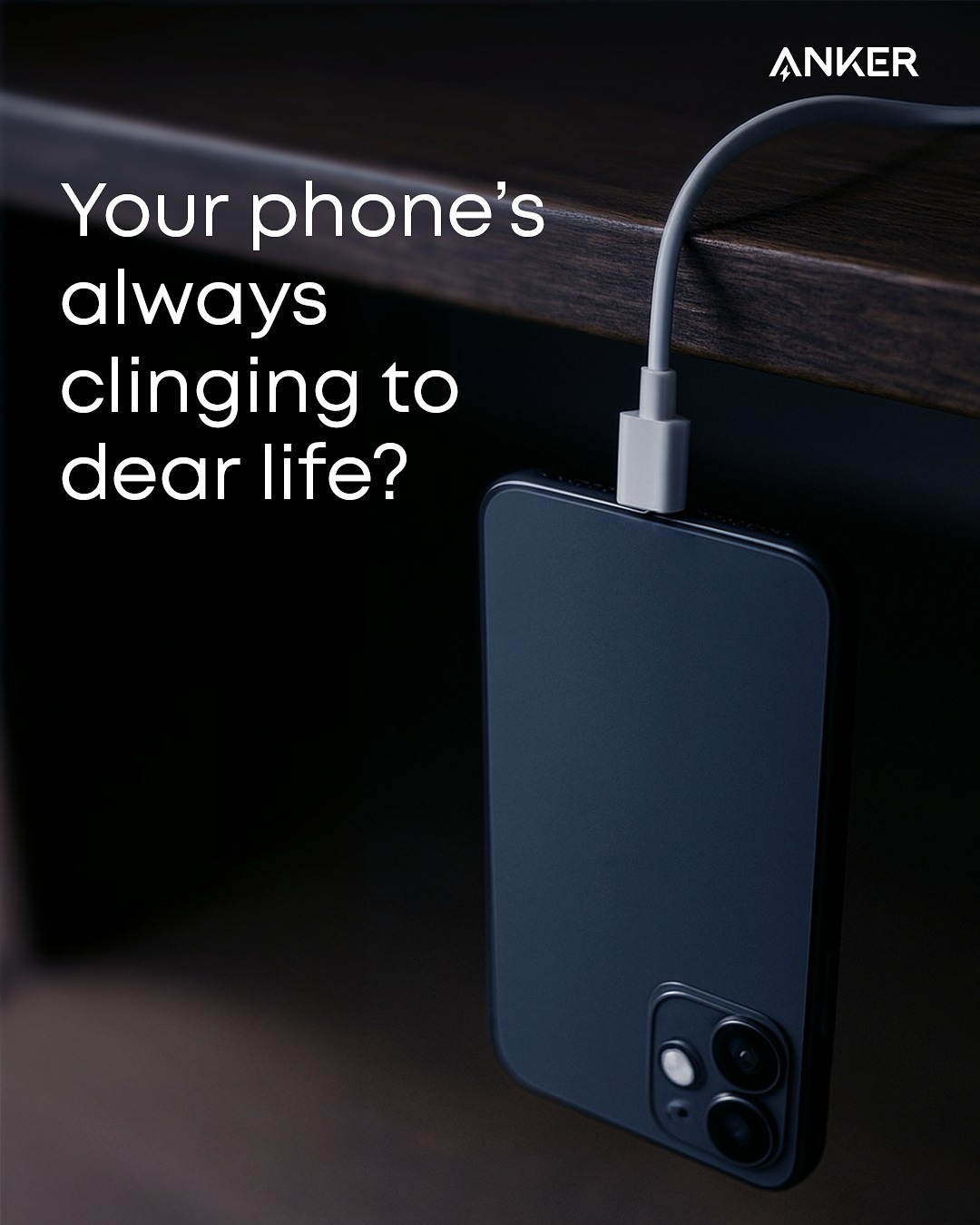
1. AWARENESS: MAKING THE PROBLEM FEEL PERSONAL
Instead of starting with products, we started with everyday friction.
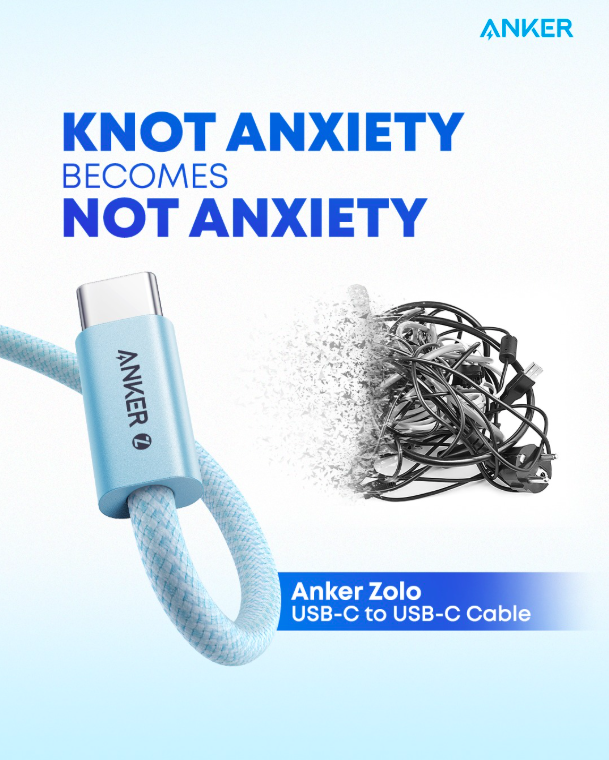
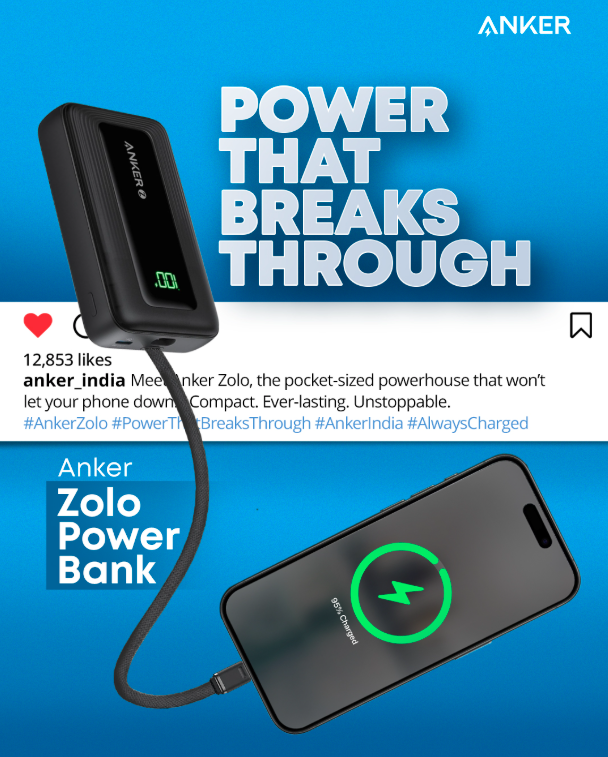
- Power anxiety.
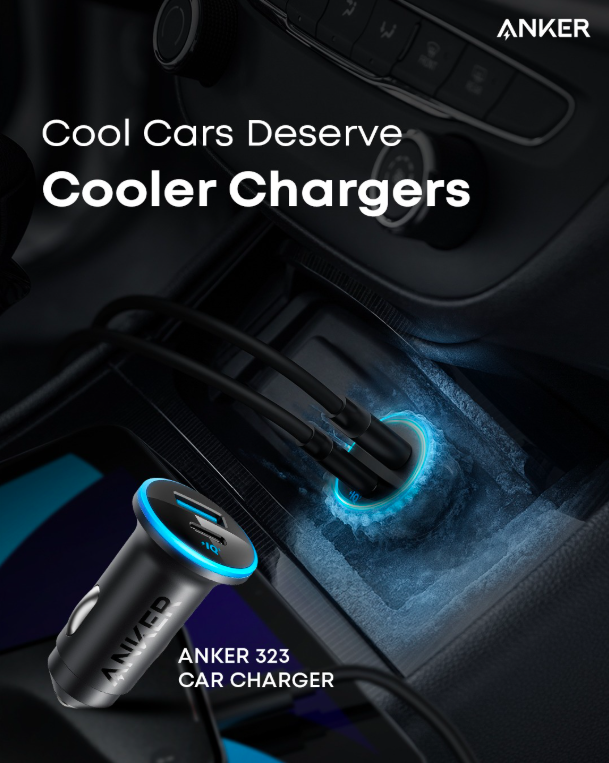
- Slow charging.
- Unreliable cables.
- Battery drain at the worst possible moment.
Content focused on recognition, not persuasion:
- “This has happened to you” moments.
- Relatable usage scenarios.
- Visual storytelling that made invisible problems visible.
The goal was simple:
Before selling solutions, make the problem unmistakably real.


2. CONSIDERATION: TURNING FEATURES INTO CONFIDENCE
Once awareness was established, we moved into feature decoding..
But not through spec sheets.
We translated engineering into
- What fast charging actually means in real life
- Why safety certifications matter-not as badges, but as protection
- How soundcore’s audio tuning impacts everyday listening
Features were reframed as benefits you can trust, not claims you have to believe.
This stage answered one critical question:
“Why should I trust Anker/soundcore over anyone else?”
3. ENGAGEMENT: BUILDING A RELATIONSHIP, NOT A BURST
Instead of campaign spikes, we built continuity.
Engagement content was designed to:
- Invite participation
- Encourage learning
- Reward curiosity.
We leaned into:
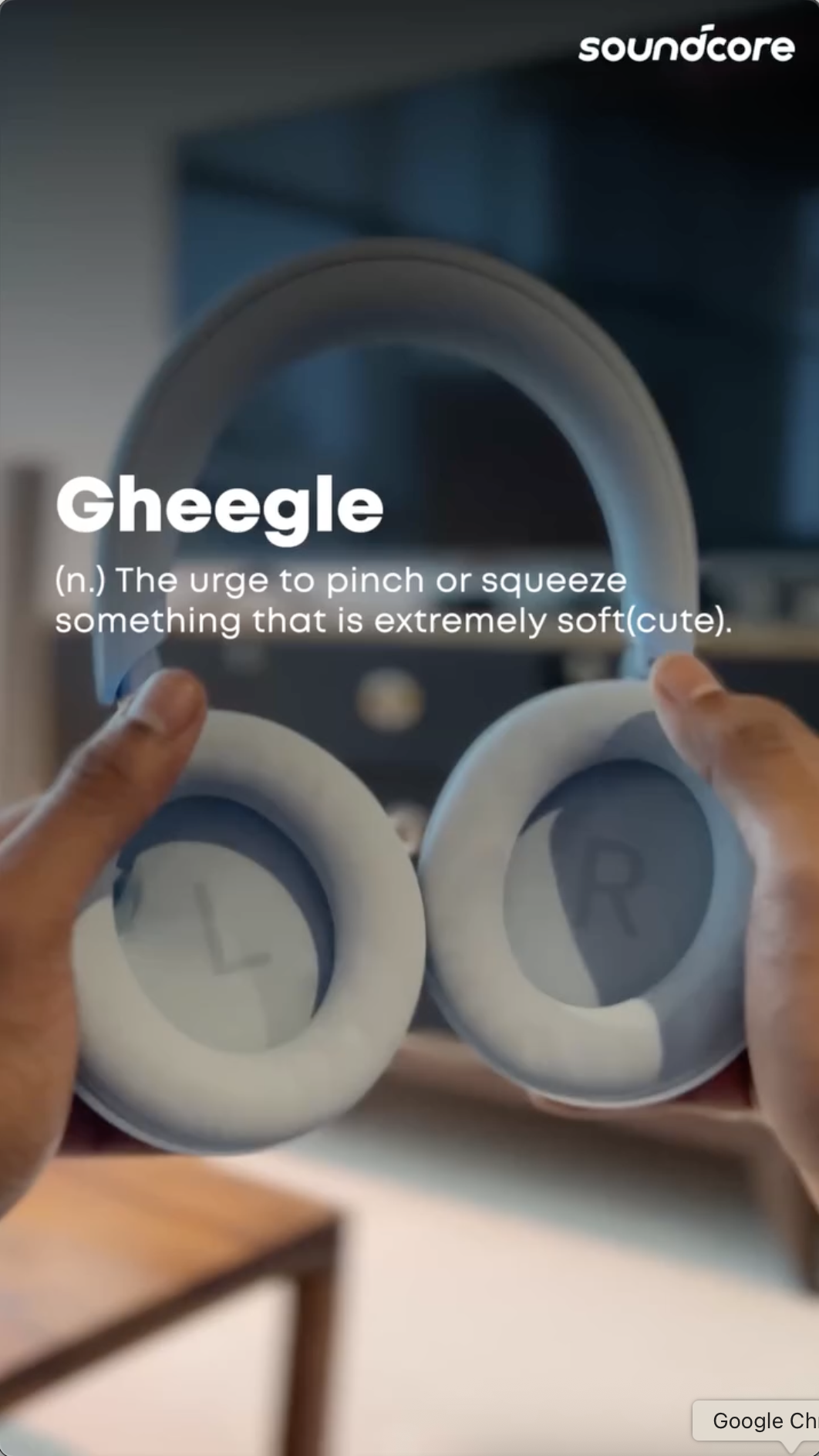
- Tips, hacks, and product education
- Conversational formats
- Brand personality without gimmicks
The aim wasn't virality—it was familiarity.
Anker and soundcore became brands you interact with, not just scroll past.

4. EXTENSION TO CONVERSION
With trust and clarity established, content naturally moved closer to purchase.
Rather than hard selling, we:
- Reinforced reassurance at the point of decision
- Highlighted real-world use cases.
- Linked product stories directly to buying moments..
Social media functioned as a decision-enabler, supporting conversion without breaking tone or trust.

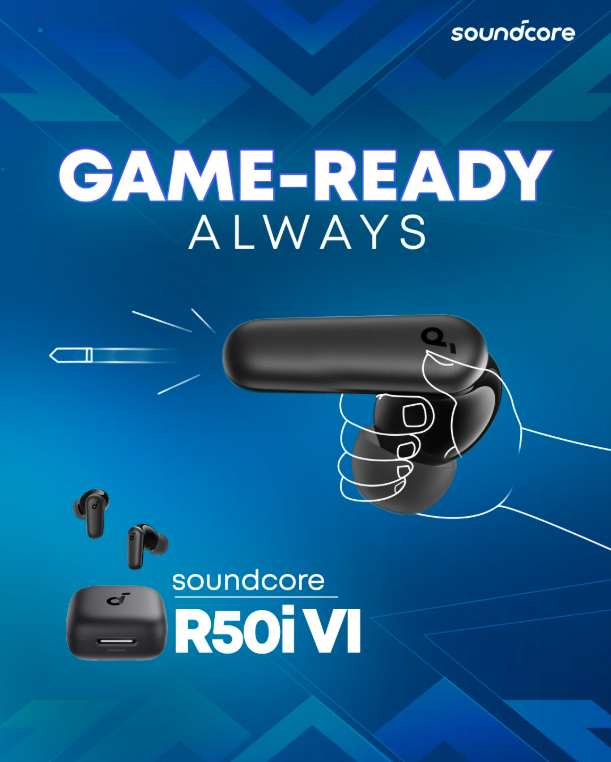
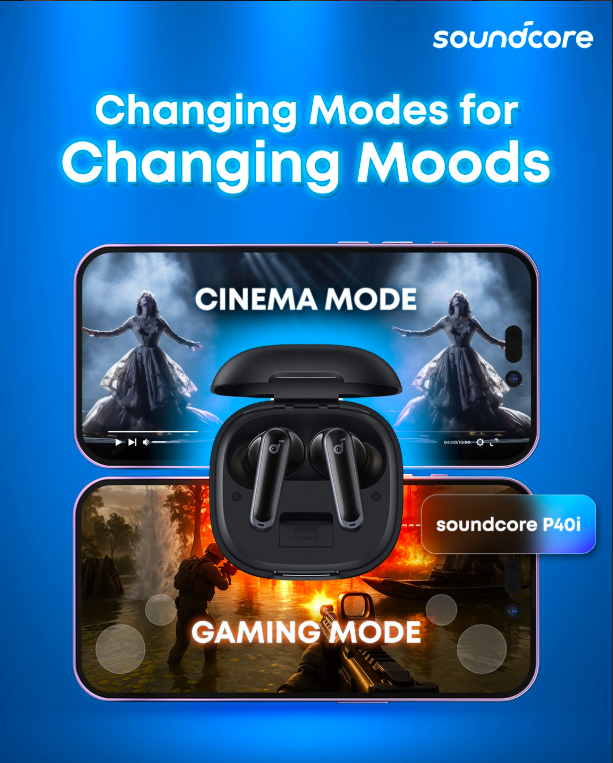

Results & Impact
- Confidence-Building System: For Anker and soundcore, social media wasn’t treated as a content channel-it became a confidence-building system
- Structured Communication: By structuring communication across awareness, consideration, engagement, and conversion, the brand moved from being just another tech option to a trusted everyday companion. .
- Clarity as a Signal: Because in a world full of power and sound choices, clarity is the strongest signal.
Frequently asked questions
What is social media marketing?
Building demand on the platforms where audiences already spend their attention, through organic content, paid media and community management. For considered purchases it works as a full funnel - recognition, then consideration, then conversion - not as a single burst.
What is consumer electronics marketing?
Marketing in a category where specifications are largely commoditised and reviews decide the purchase. Winning usually means owning a problem people recognise - power anxiety, unreliable cables - rather than out-listing competitors on features.
How much does social media marketing cost?
It varies with market, category competitiveness, content volume and how much paid weight sits behind it. Budgets typically split across content production, always-on community management and media, with media the largest and most variable line.
How do tech brands build trust on social media?
By being useful before promotional: product education, honest limitations, quick responses, and continuity instead of campaign spikes. Familiarity - simply showing up consistently - does more for trust than chasing virality.