BD Blue Bells Public School
School for Complete Learning became a communication system across brochures, standees, print, social and digital — using everyday school experiences as proof of complete learning.
 One School Group · Five Reasons to Choose
Background
Blue Bells had something most education brands would envy: decades of trust, five distinct institutions and an educational philosophy with real depth. But that strength created its own challenge. To a prospective parent, schools begin to sound alike very quickly.
These had become category conventions rather than meaningful reasons to choose.
More importantly, Blue Bells was not speaking to one kind of parent. Blue Bells Model carried the expectations of a more traditional parent who valued legacy, discipline, results and values. Blue Bells Preparatory, BD Blue Bells Public School and Beansprouts spoke to contemporary parents looking for warmth, safety and modern methods without unnecessary experimentation. The Blue Bells School addressed a more globalised parent — open to progressive education, but radically practical about structure, progress and outcomes.
The challenge
How can five schools belong unmistakably to the same Blue Bells family, yet give a parent five different and compelling reasons to choose?
Our task was not to create a single positioning and stretch it across five logos. We moved away from generic education promises and looked at the intersection of three things: the unresolved tension in the parent's mind, what each institution genuinely did differently, and the outcome parents could actually recognise in their child.
The result was not five advertising lines. It was a portfolio of five distinct brand roles united by one ethos — empowering lifelong learners through joyful discovery, human values and future readiness.
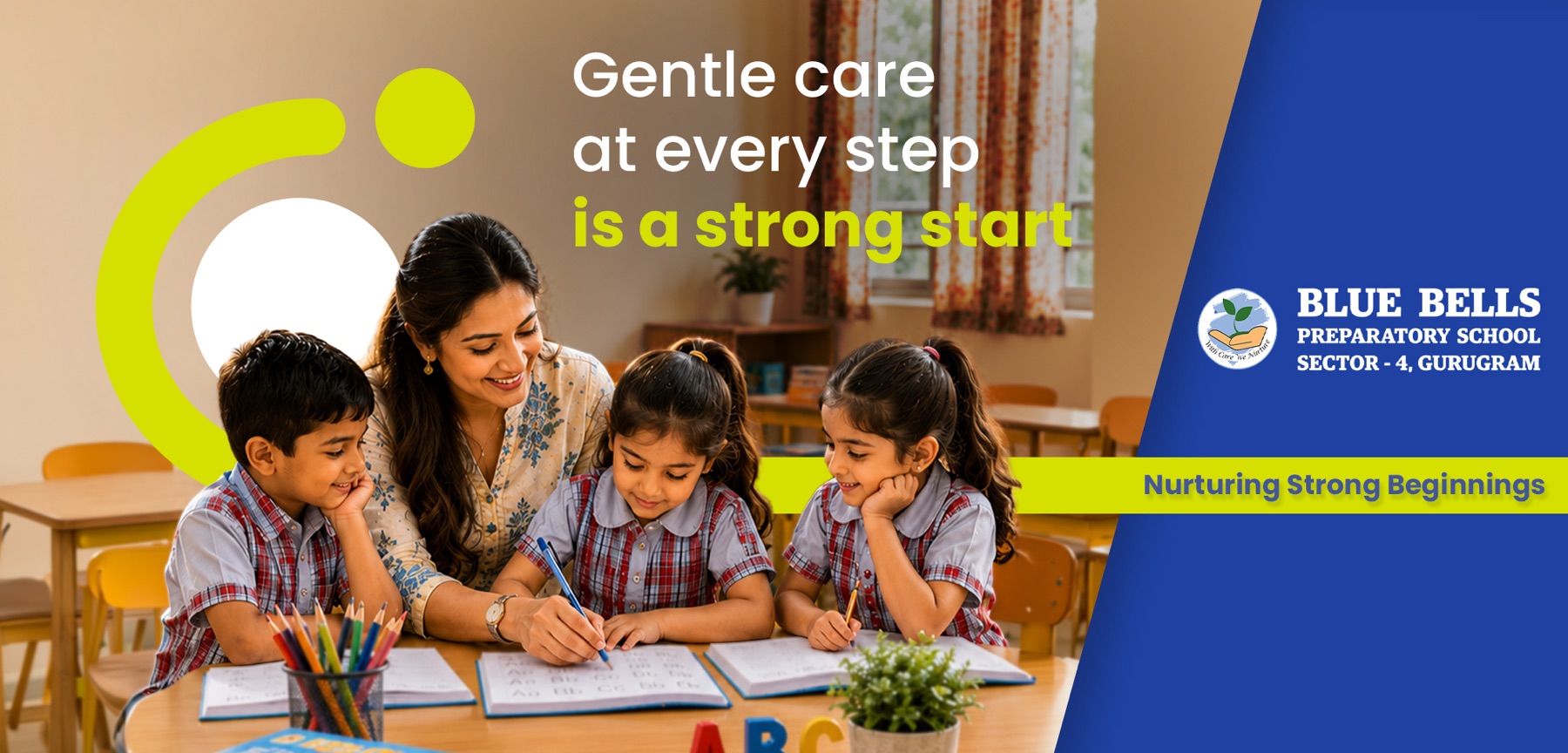
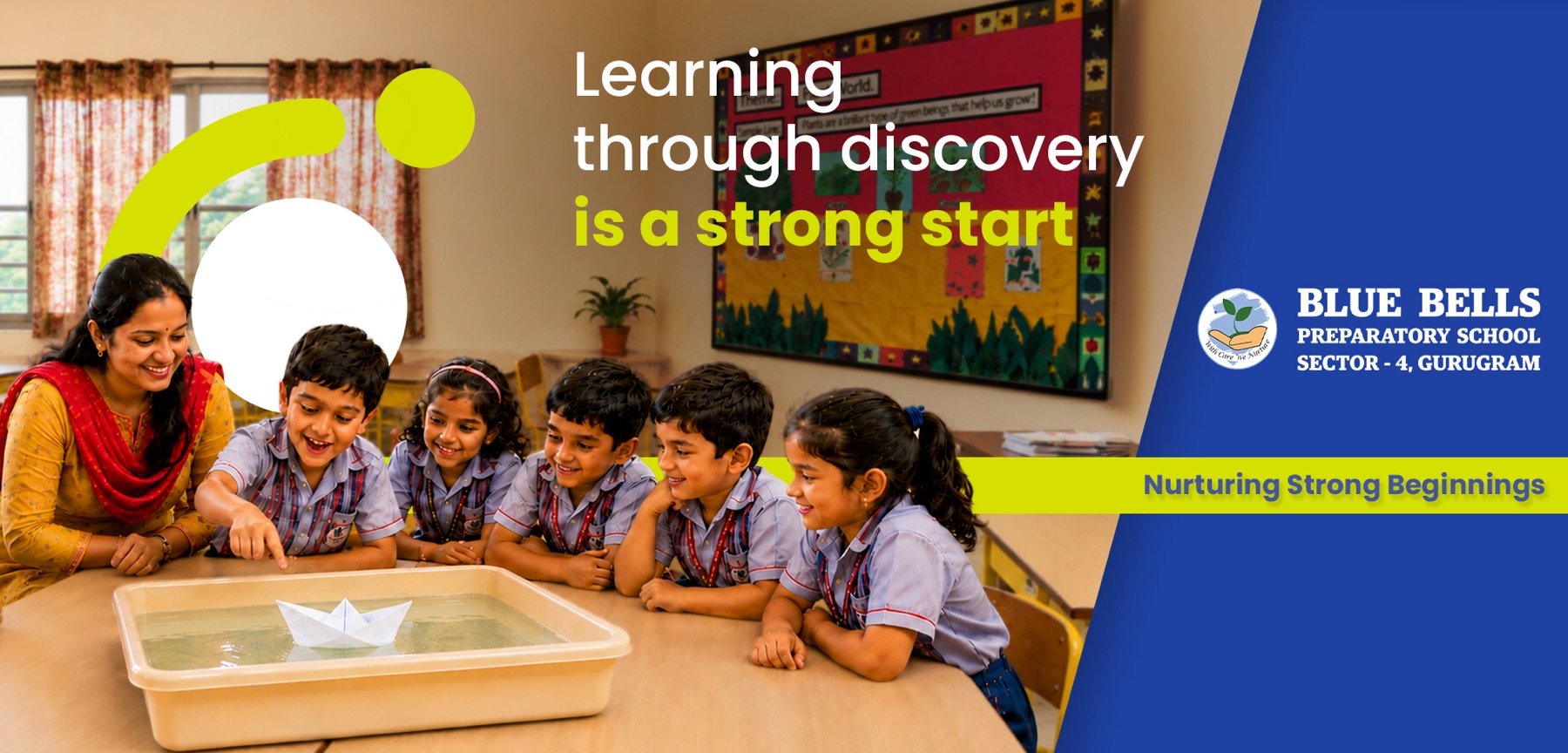
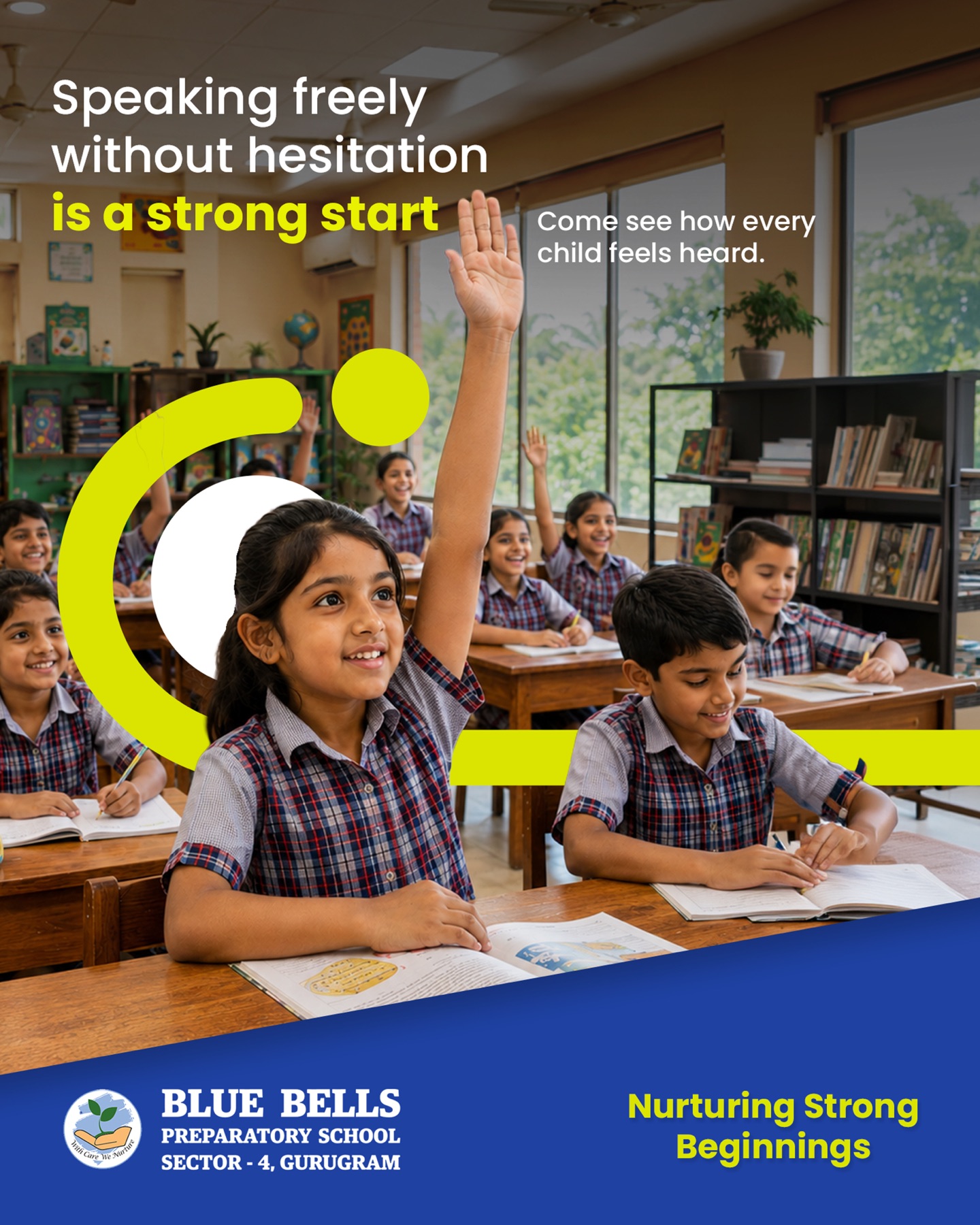
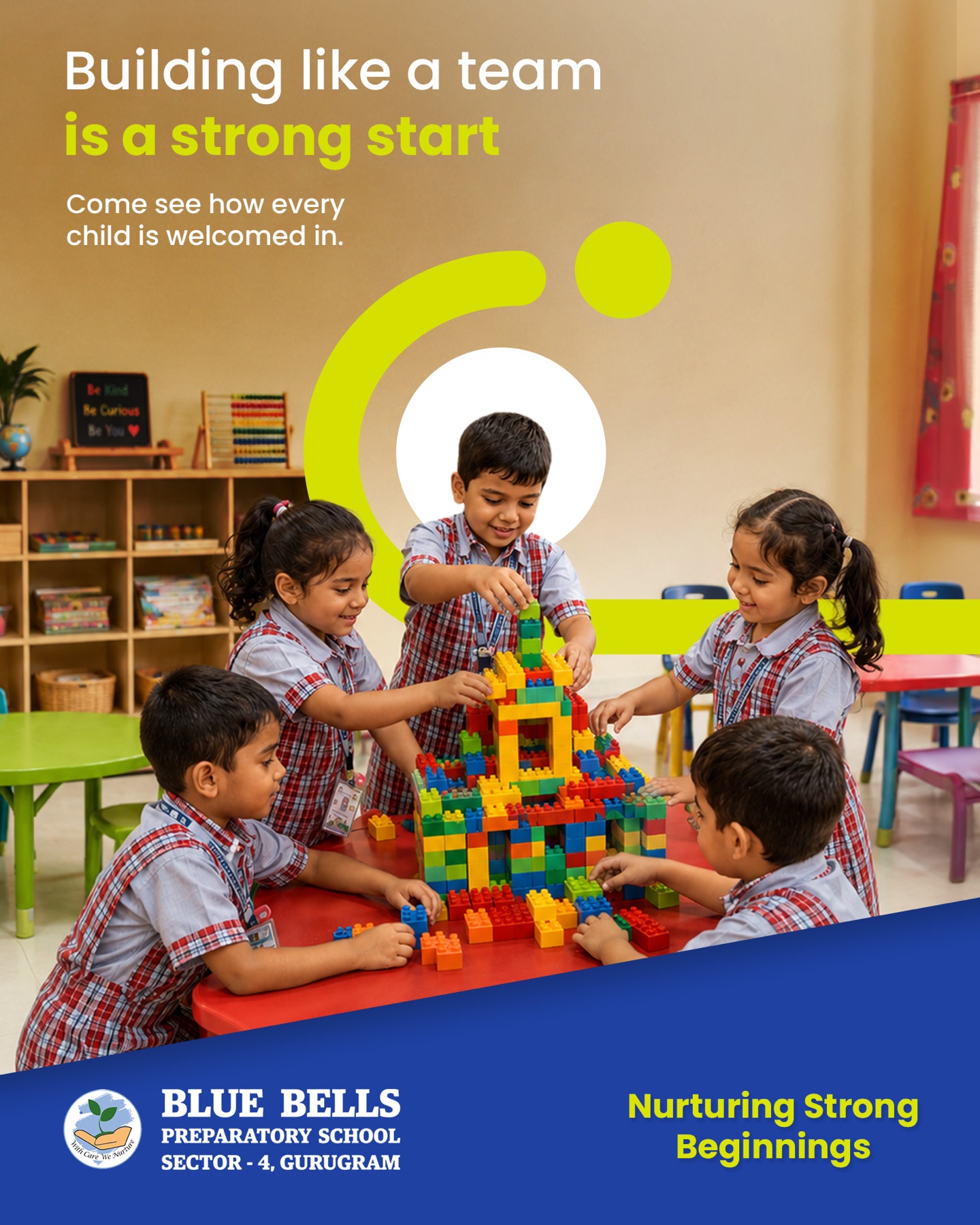
Nurturing Strong Beginnings
The insight
Parents of very young children were not choosing a school primarily for what would happen ten years later. Their decision was rooted in the present — a child speaking more confidently, participating, learning independently, behaving well, understanding rather than memorising, and feeling emotionally comfortable at school.
I want my child to become confident, capable and well-mannered, but I don't want to sacrifice care, safety, warmth or childhood to get there.
That changed the meaning of “preparatory”. For the institution, readiness meant preparing a child for the bigger school. For a parent, the stronger idea was the foundation being created right now.
The solution
We reframed readiness as a strong beginning to life, not simply readiness for the next classroom. That let the school's real strengths become proof: a warm and approachable culture, thematic learning, stage participation, student responsibility, manners, values and opportunities for expression — building academic, emotional, social, expressive and physical foundations at once.
The communication could now show parents what a strong beginning actually looks like: understanding a concept completely, finding one's voice, managing emotions, accepting responsibility, and growing in an environment where care is built into learning.
Positioning
Early education isn't merely the first stage of schooling. It is where many of the behaviours, beliefs and capabilities that shape everything afterwards first take root.
Because beginnings don't just come first. They shape what follows.
Hoardings
Tactical ads
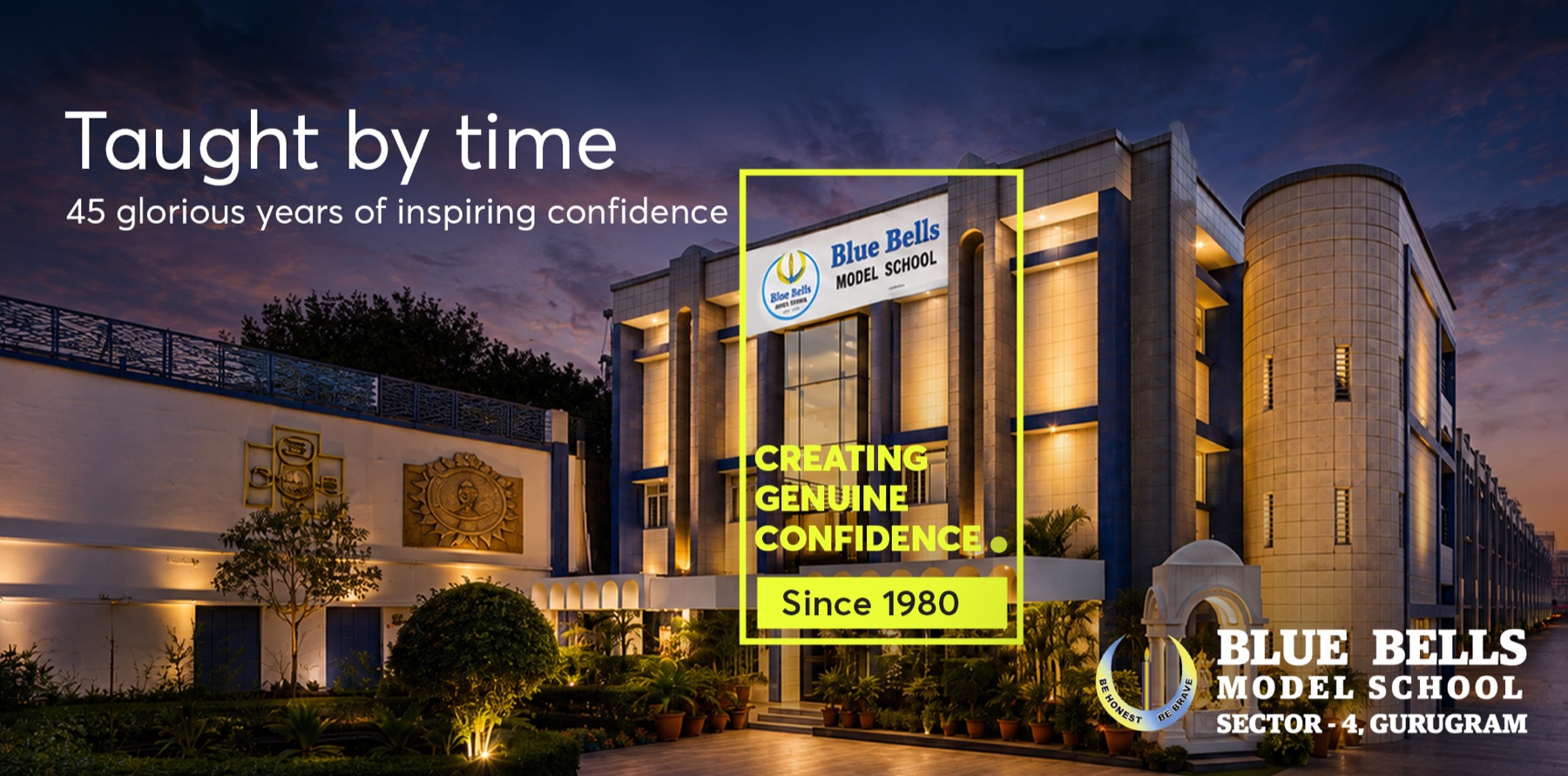
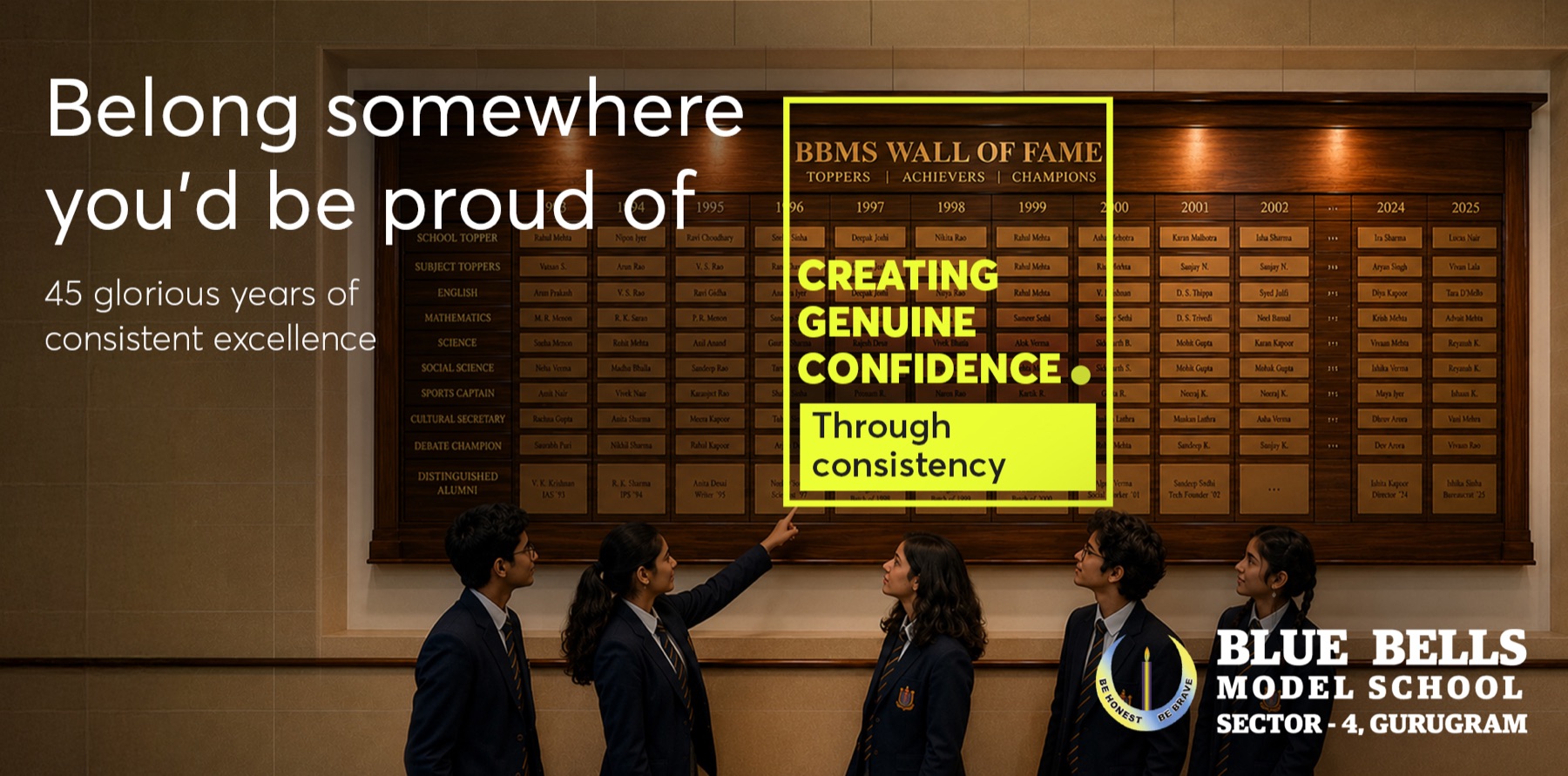
Creating Genuine Confidence
The insight
Our work surfaced one clear parent-observed outcome at Blue Bells Model School: a confident child. The problem is that building confidence is one of the least ownable promises in education. Almost every school says it.
So instead of abandoning confidence, we asked a harder question: what kind of confidence does this school actually create?
That revealed the difference between confidence that is performed and confidence that has been earned. Manufactured confidence is loud, dependent on validation, and impressive until circumstances change. Genuine confidence is backed by experience. It allows a child to not know, to learn, to persist, to take responsibility, to remain composed, and to stand their ground without needing applause.
The solution
We made that distinction the heart of the brand. The school already had the mechanisms: repeated first-time exposure through stage, roles and activities; long-cycle responsibilities that require follow-through; expectations that normalise pressure; approachable teachers who make asking questions safe; and a values-led culture that balances achievement with humility.
Its legacy took on a new meaning too. Forty-plus years wasn't simply proof that the school had been around a long time. It was proof that the institution had been creating these experiences repeatedly, across generations.
Positioning
Not confidence that appears when everything is going well.
Confidence that remains when it is tested.
Hoardings
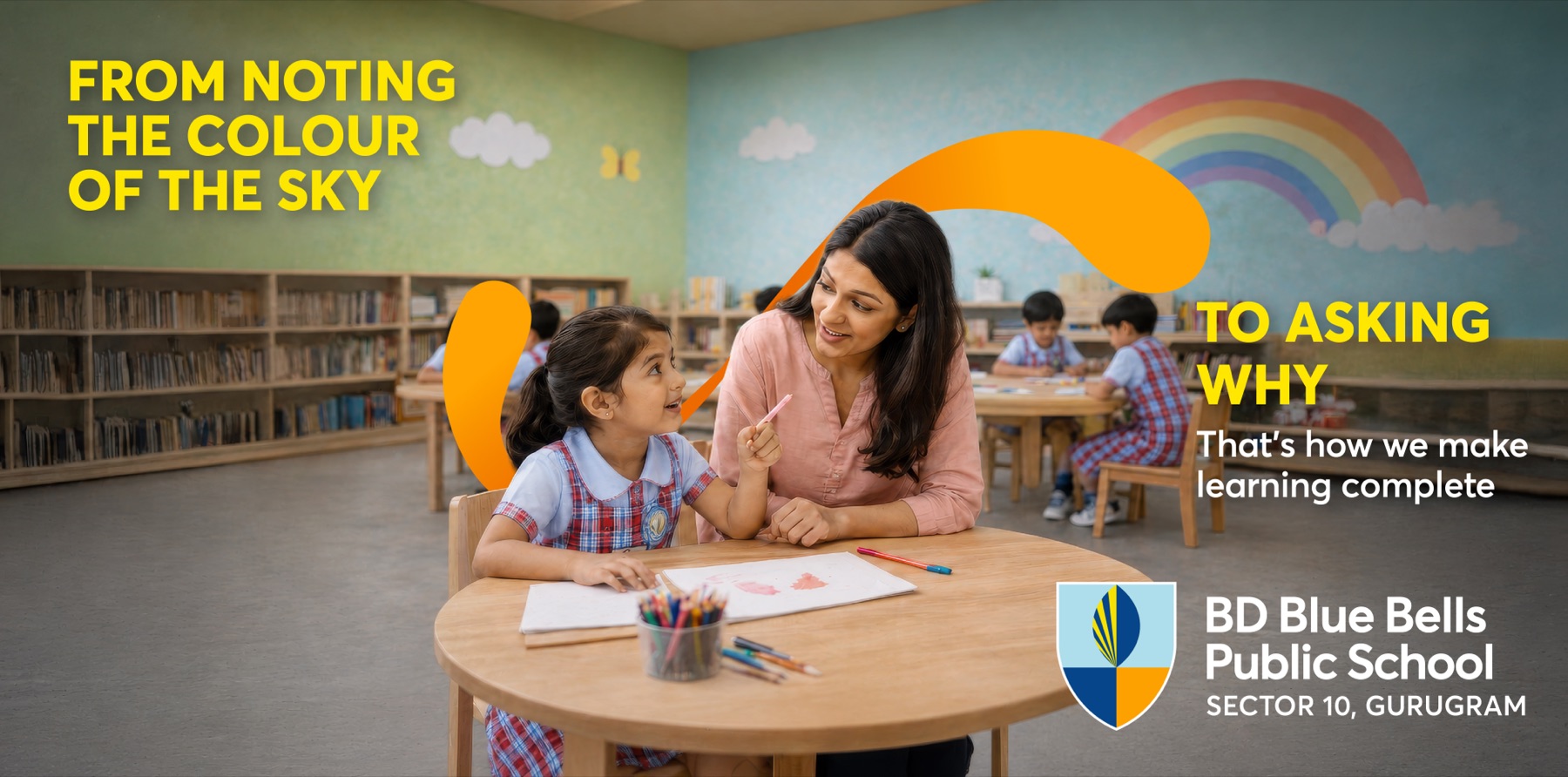
School for Complete Learning
The insight
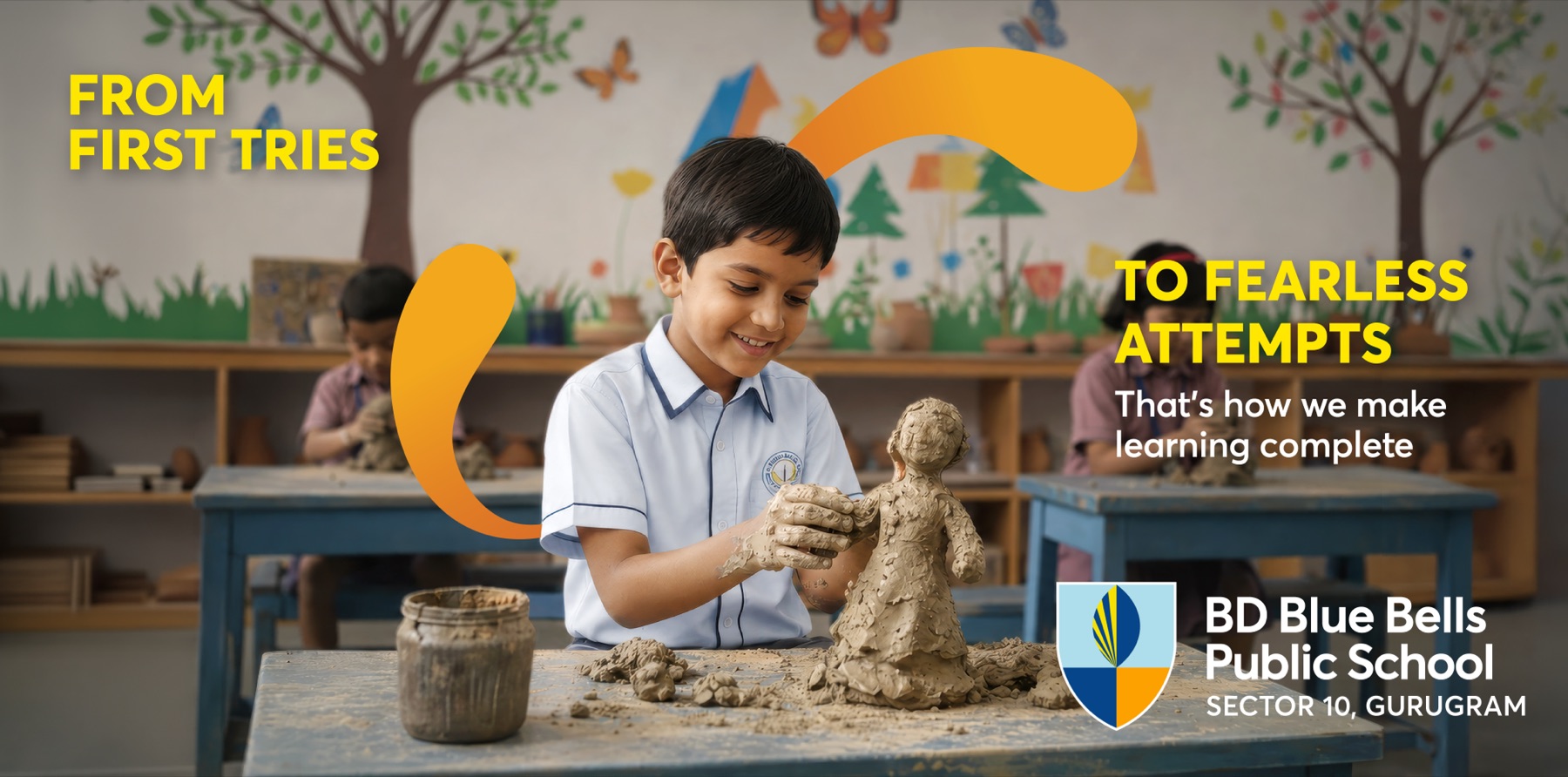
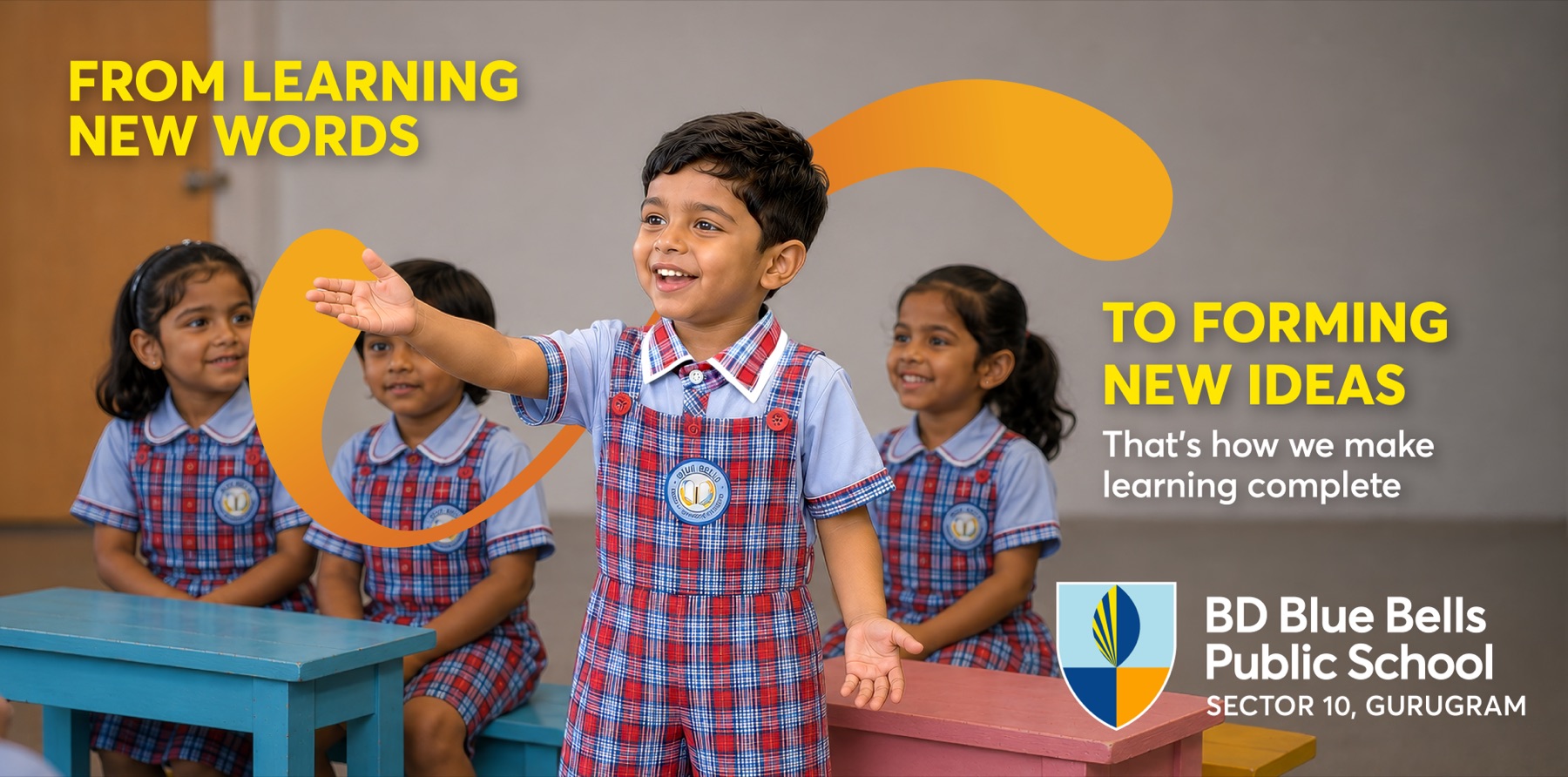
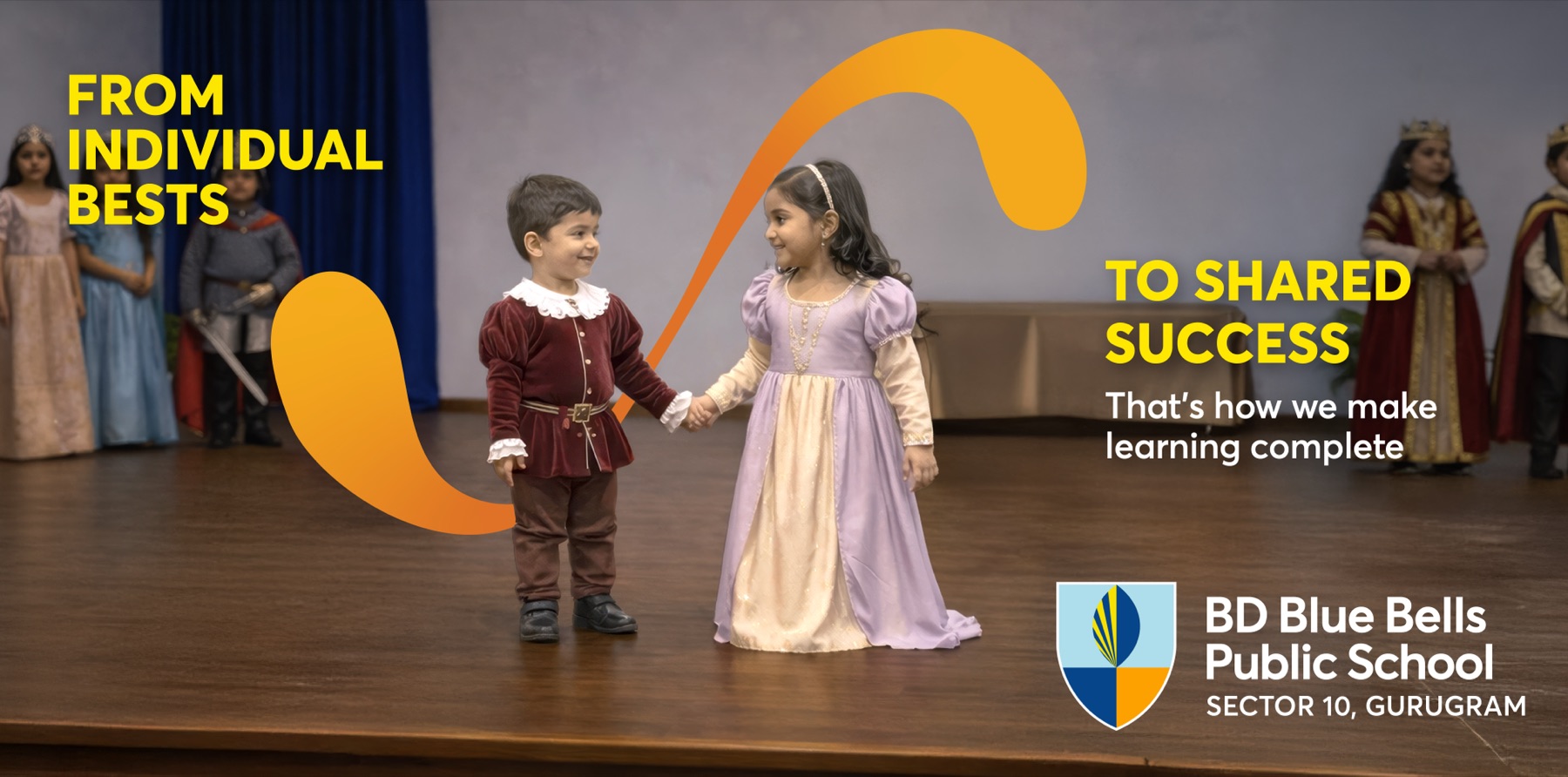
BD Blue Bells had a different perception problem. Parents tended to see it through the lens of a traditional school: textbooks, projects, arts and crafts, sports and extracurricular activities. All of those were present — but the school experience went significantly beyond them.
Today's parent does not believe academics alone make learning complete. At the same time, simply adding more activities does not make a school holistic. What matters is what those experiences teach the child beyond their immediate subject. A football match can teach sportsmanship. Theatre can create expression. Group work can teach accountability. Music can teach persistence. Science can teach a child not just to know, but to explain.
The solution
We widened the definition of learning. The school wasn't providing academic learning plus extracurricular learning — it was creating academic, social, emotional and behavioural learning simultaneously. That gave us a communication device: move from the visible activity to the less visible capability being developed.
Positioning
Because a complete education is not defined by how many things a child does.
It is defined by how much the child learns from everything they do.
Hoardings
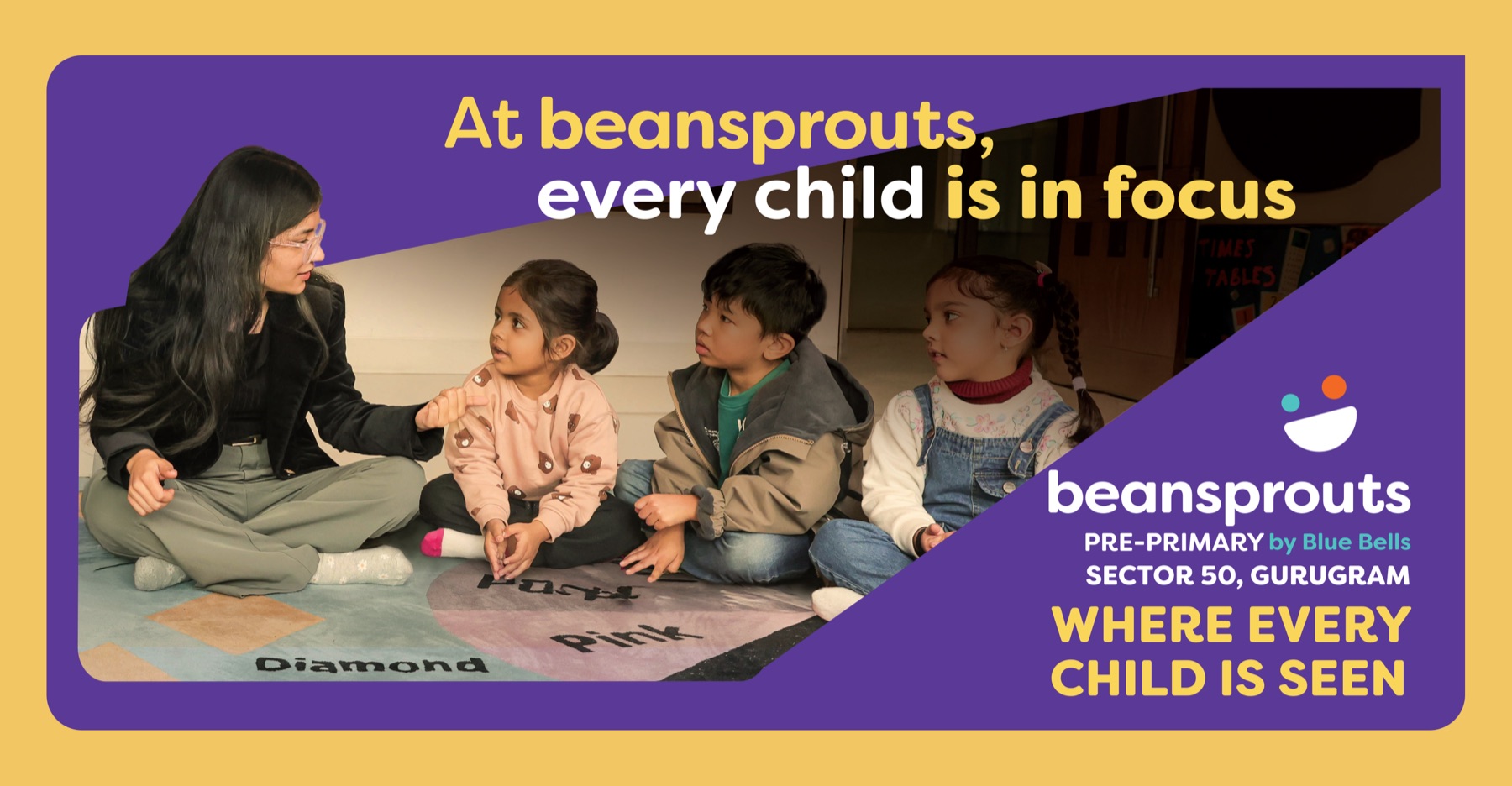
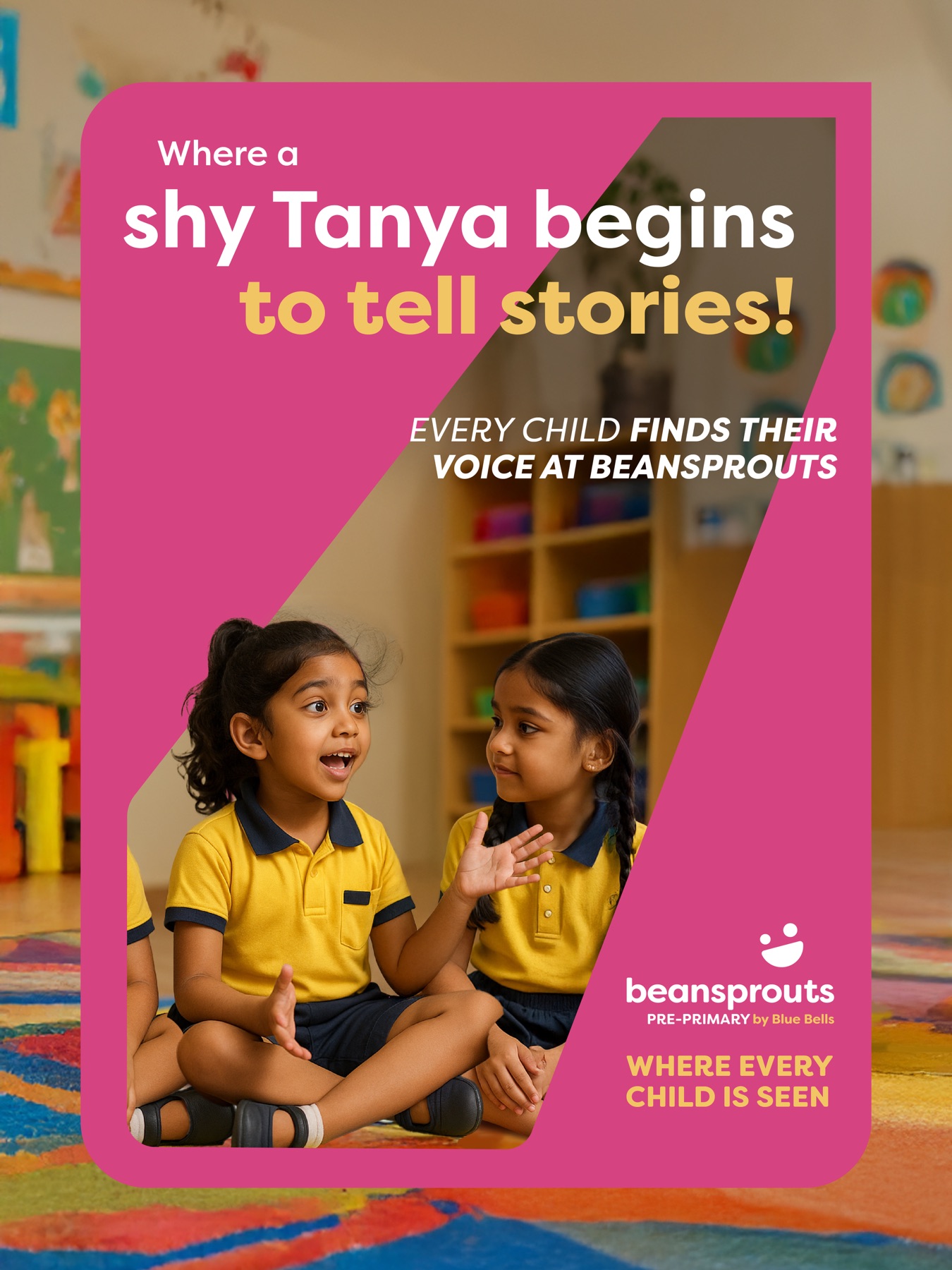
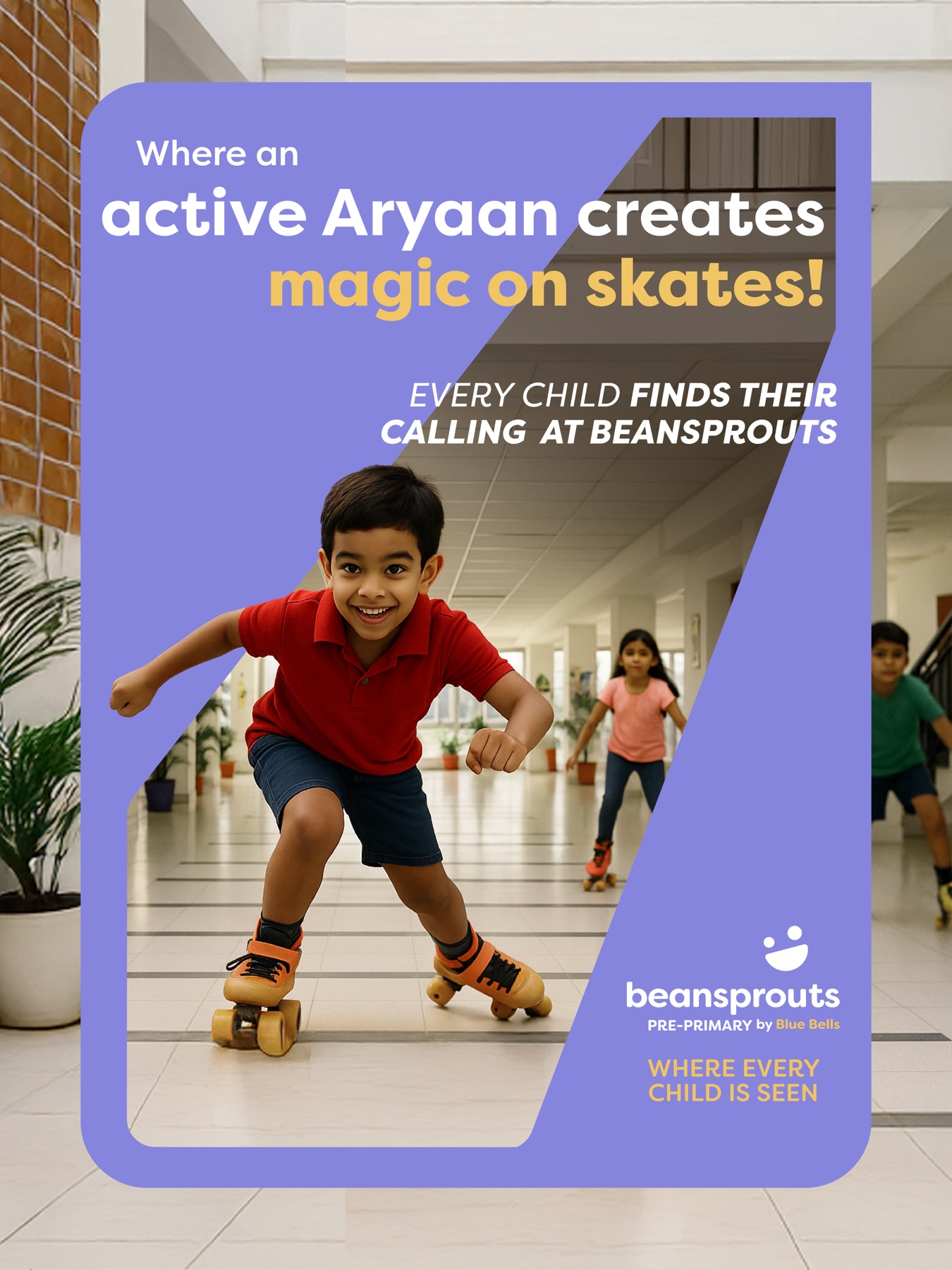
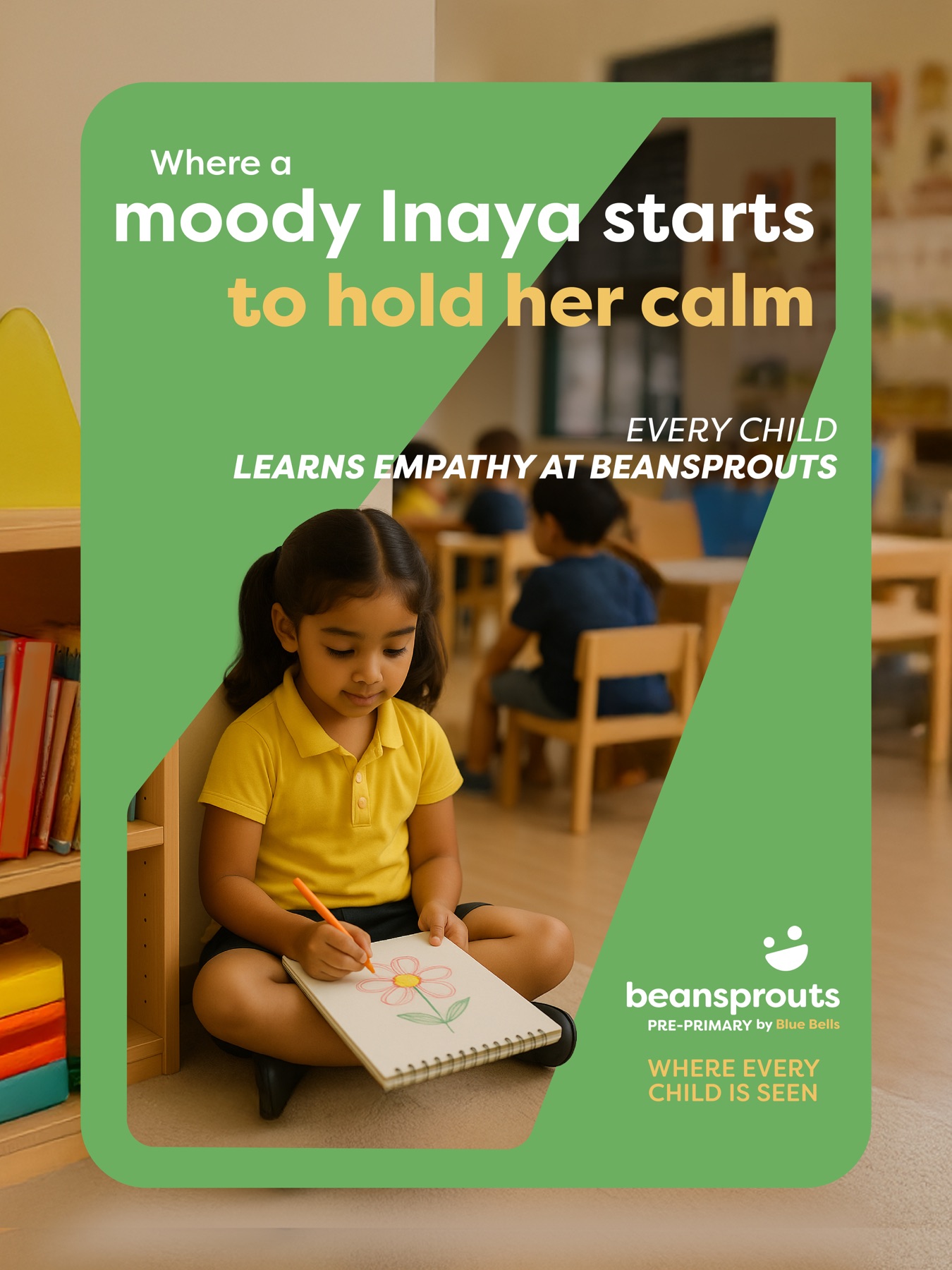
Where Every Child Is Seen
The insight
Beansprouts operated in perhaps the most saturated part of the category. Preschool brands repeatedly promise holistic development, nurturing potential, happy learning and preparing children for the future. Our parent conversations revealed something far more immediate.
I don't want my child to be invisible.
These were busy, deeply involved parents. Many had experienced early childhood closely during the pandemic. They researched campuses, observed teacher behaviour, wanted smaller groups and valued frequent evidence of their child's day. They did not want their child to disappear into a class where the teacher saw the group but missed the individual. Their expectation was equally clear: I need my child to be visible.
The solution
What made Beansprouts powerful was that seeing wasn't an emotional promise — it was already built into how the institution worked. Small classes with two adults created time to notice. A child-paced curriculum allowed teachers to slow down or adapt. Theme-based teaching could respond to children's interests. Micro-care around meals, behaviour and everyday incidents reduced bureaucratic distance.
That let us turn an invisible institutional behaviour into a visible brand philosophy: to see a child means to recognise strengths, weaknesses, emotions, interests, progress and moments that might otherwise pass unnoticed — and then do something with that knowledge.
The content ecosystem
How teachers respond to real situations as they happen.
How spaces and routines are built to support development.
Children revealing their own worldview, in their own words.
The small moments traditional report cards tend to miss.
Positioning
Because seeing isn't supervision. It is attention that leads to understanding, and understanding that leads to action.
Before you can help a child become more, you first have to see who they are.
Hoardings
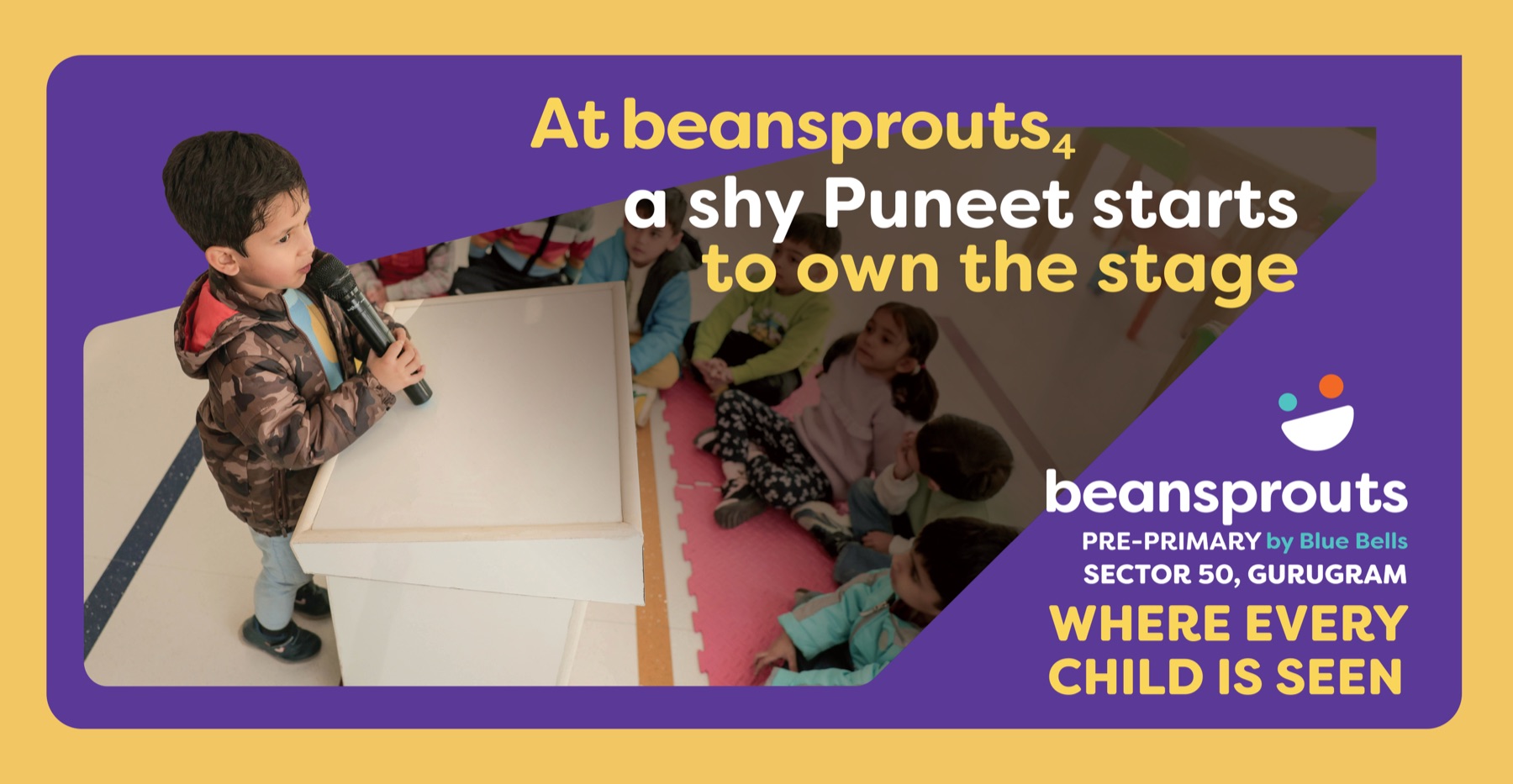
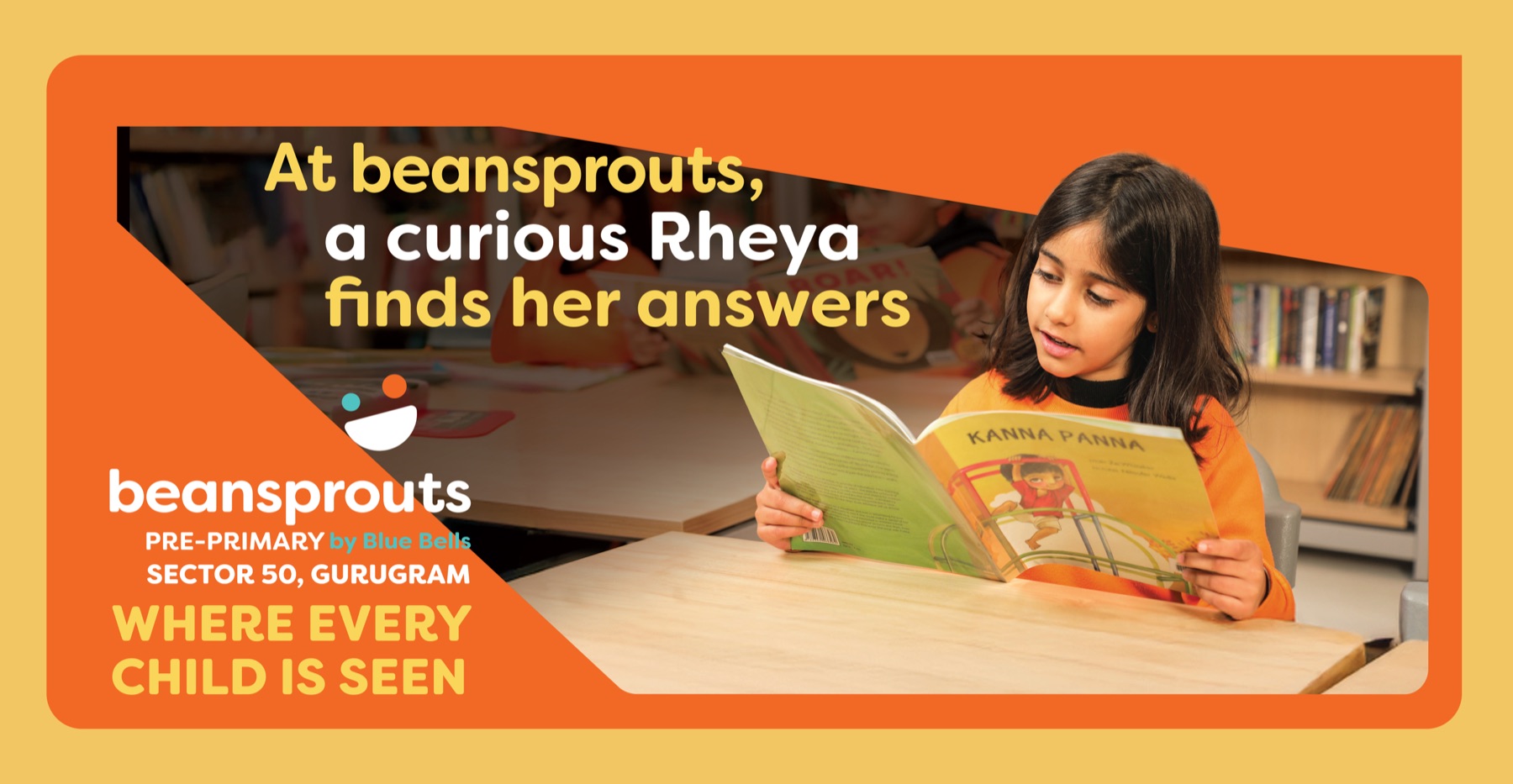
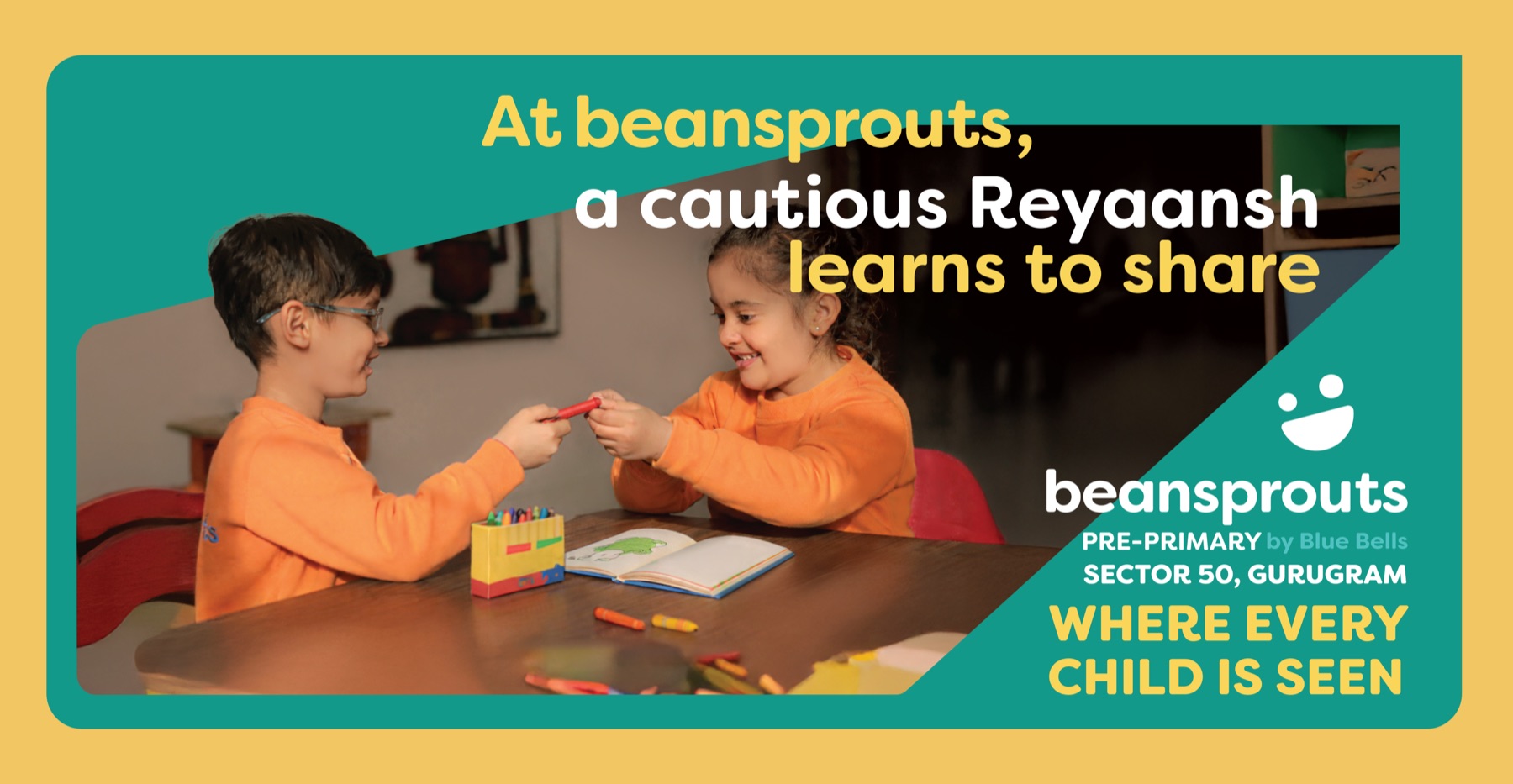
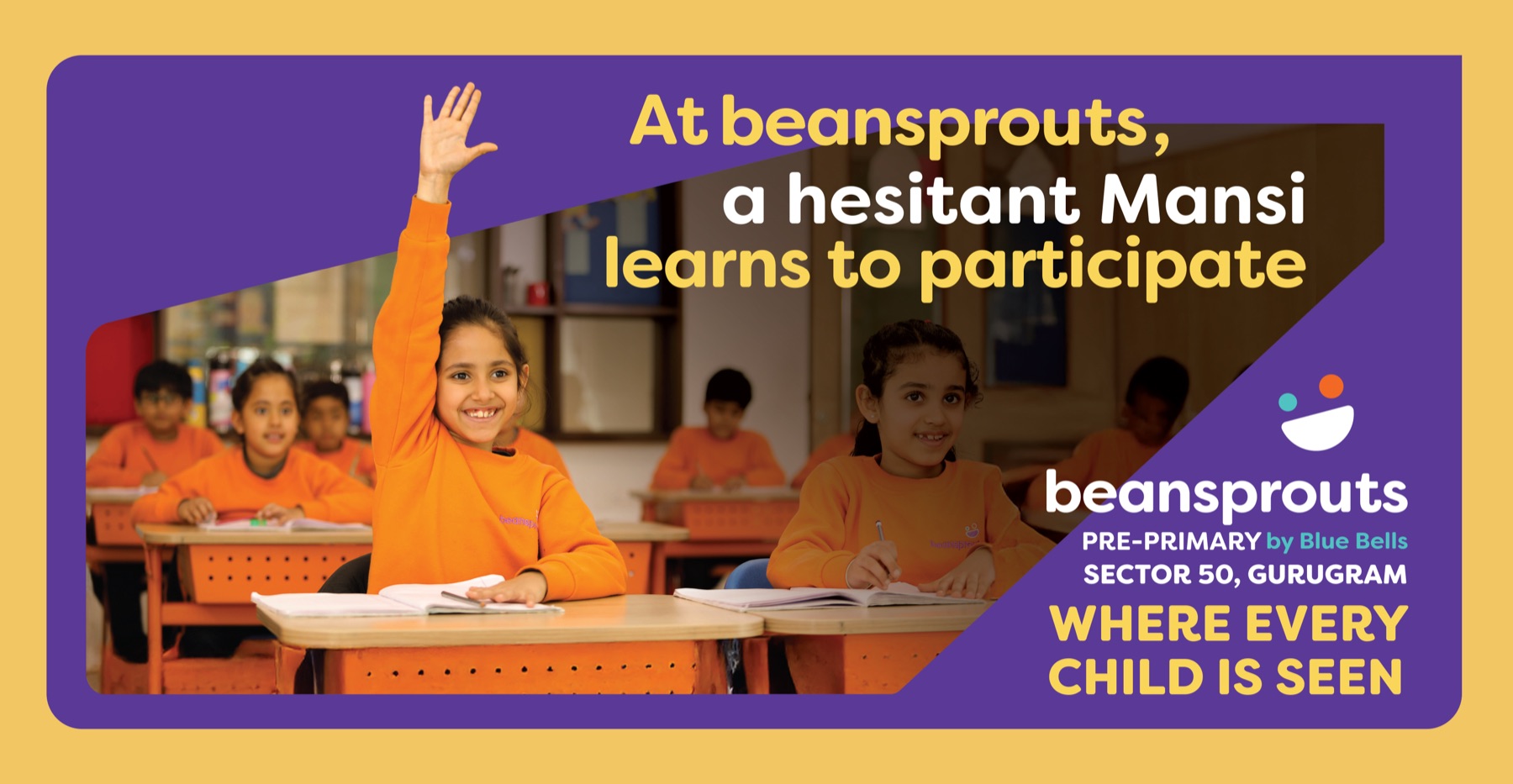
Tactical ads
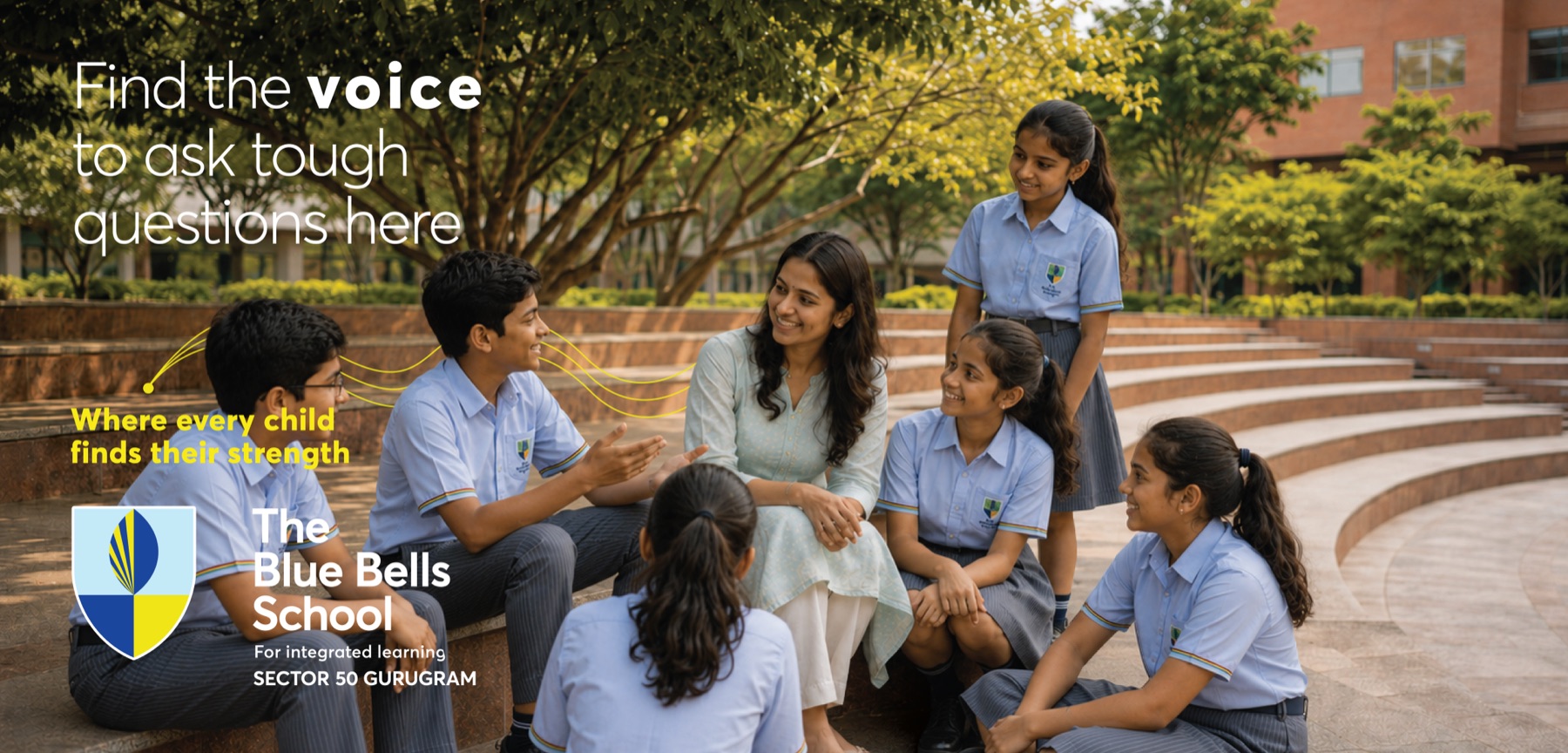
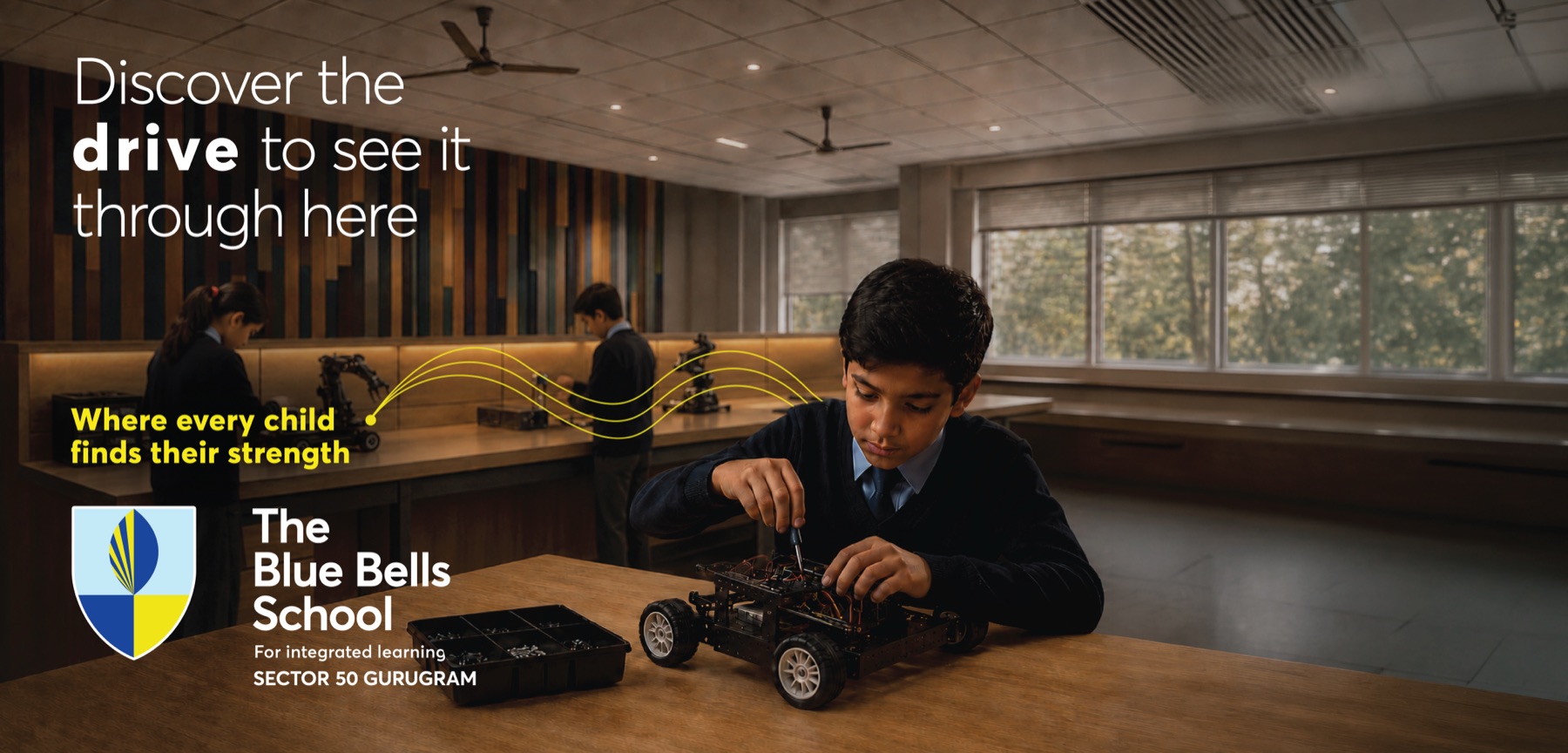
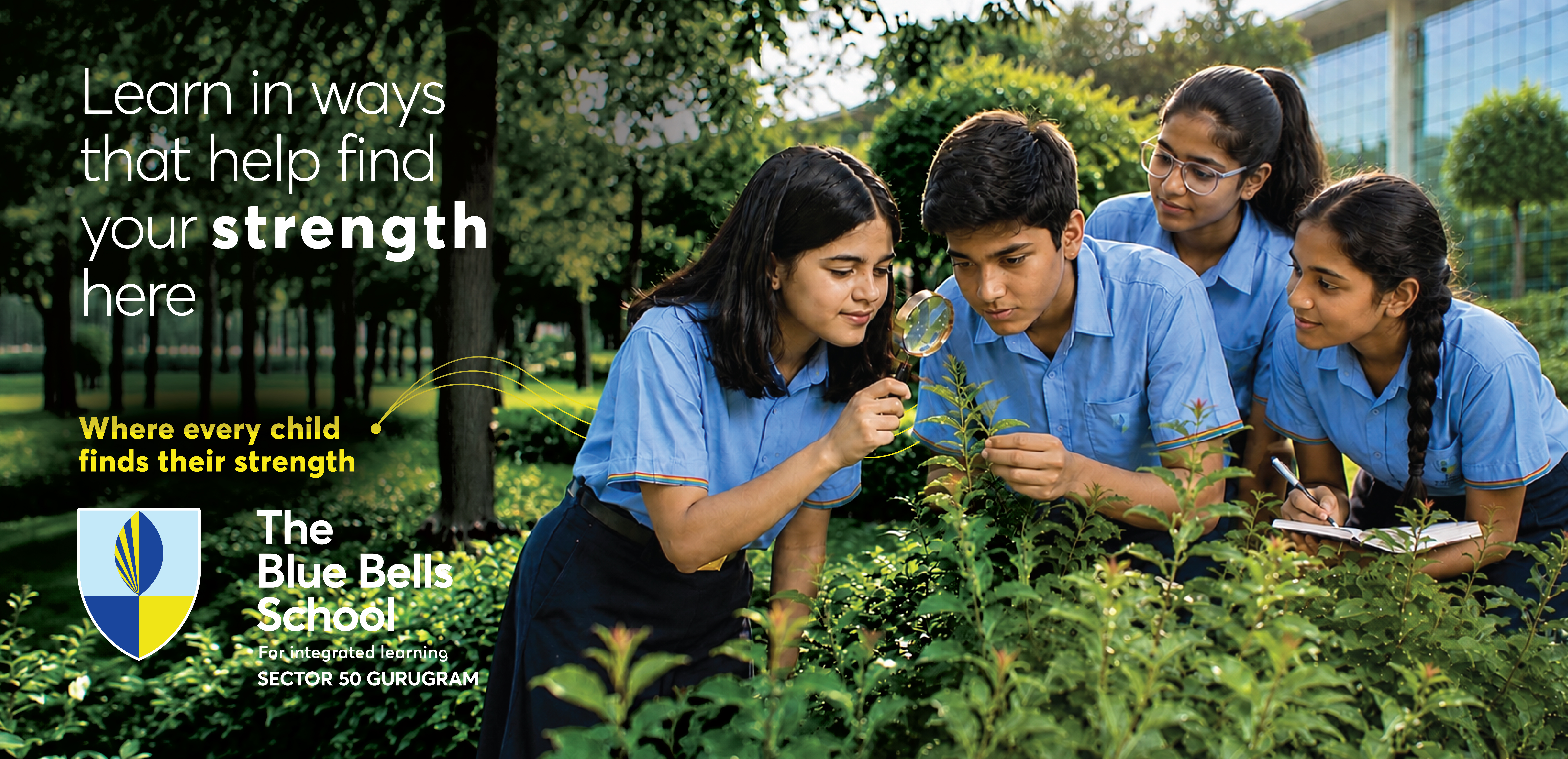
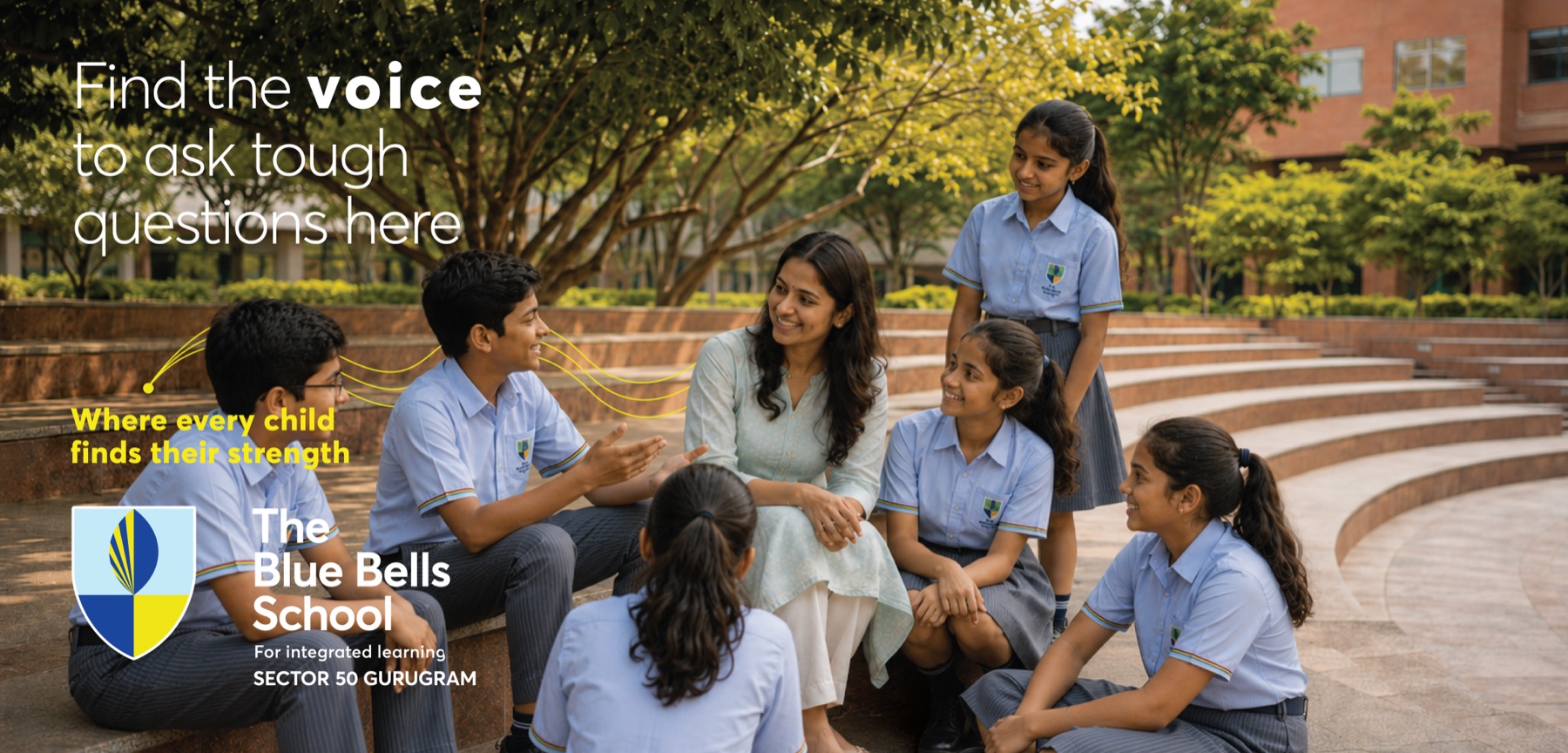
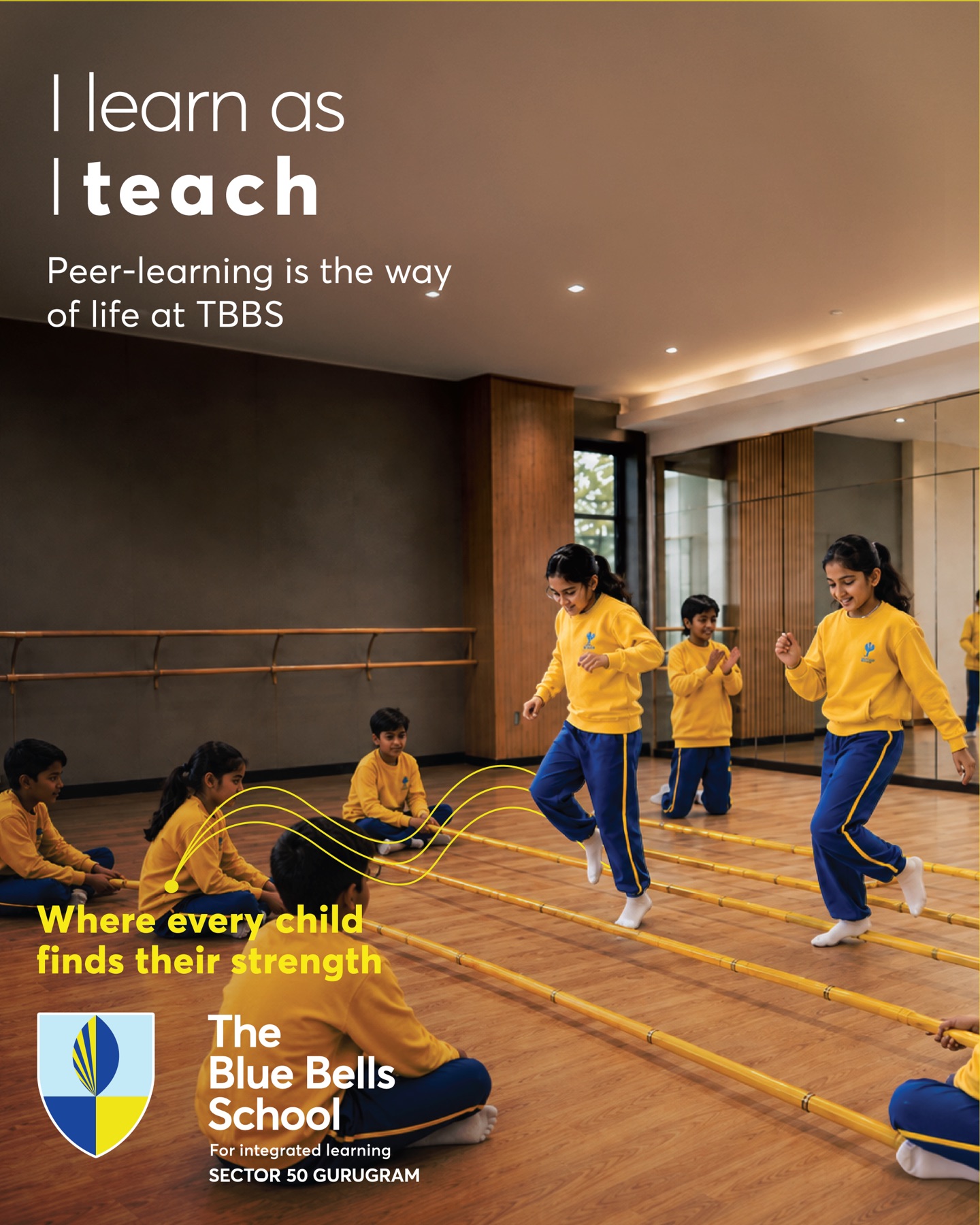
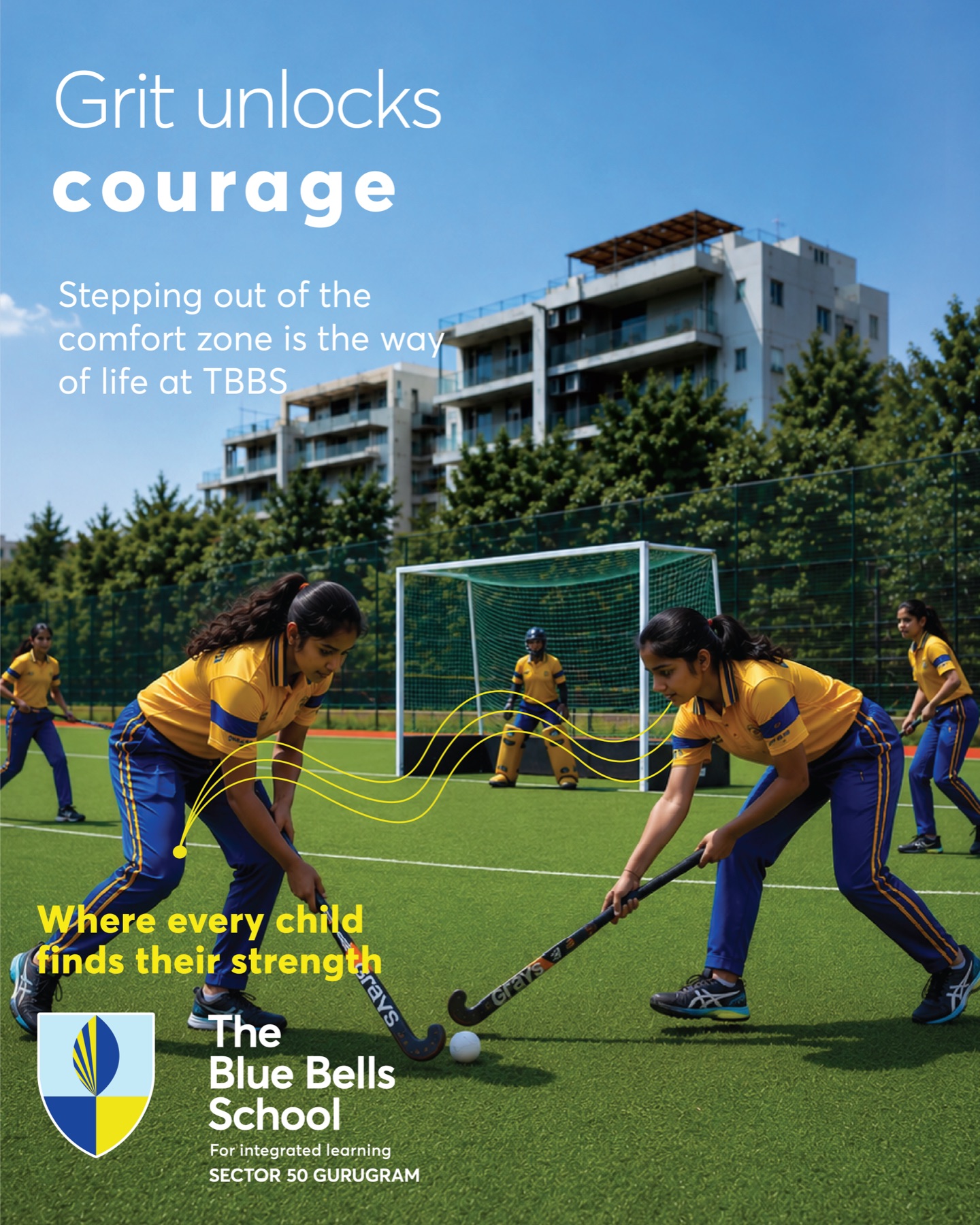
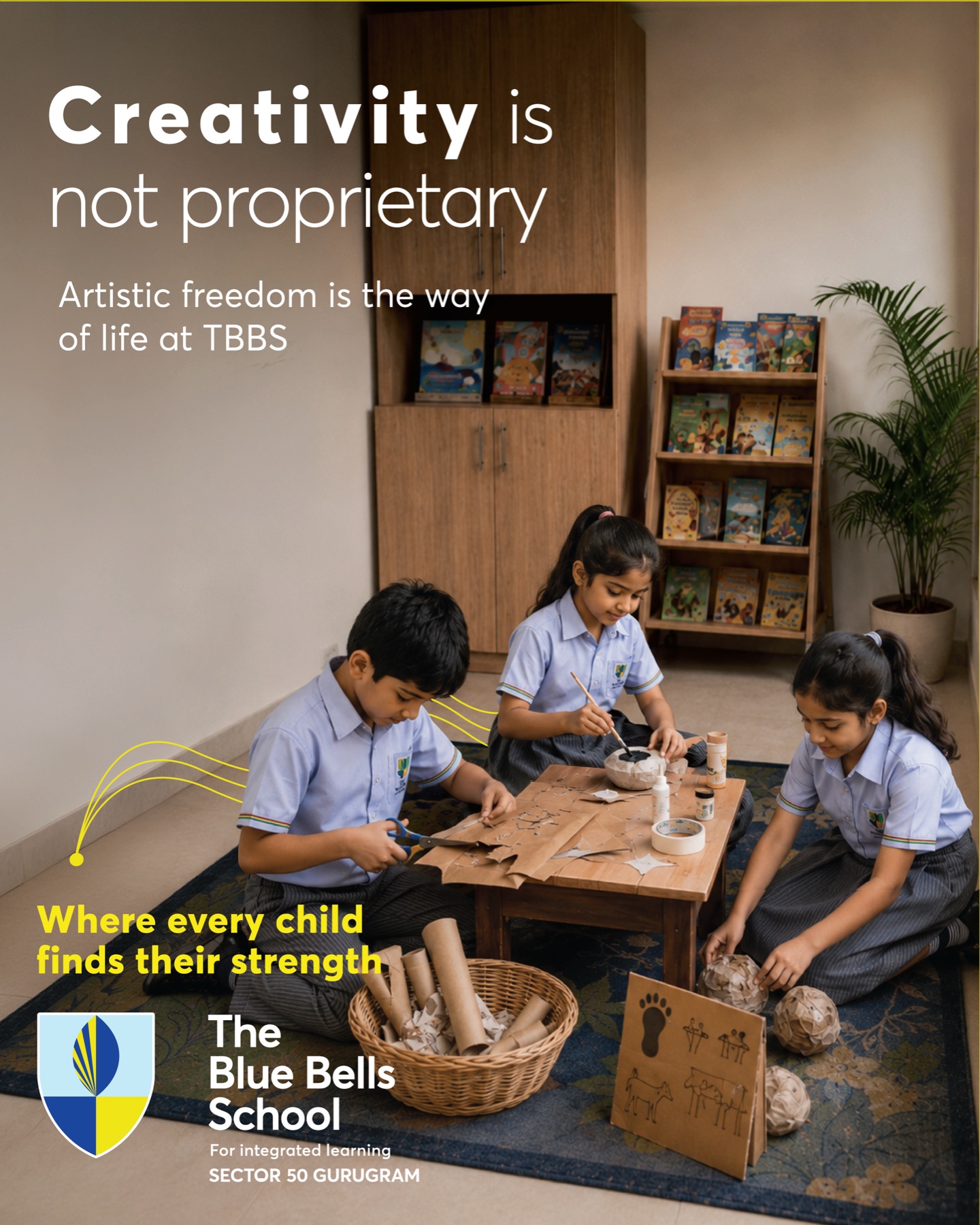
Where Every Child Finds Their Strength
The insight
The Blue Bells School addressed a different stage of the parent's journey. Here, being seen was no longer sufficient. Parents wanted that understanding of their child to translate into visible development.
These were contemporary, globalised parents — but importantly, radically practical ones. They did not want the schooling they had grown up with, but neither did they want progressive education to mean a lack of structure. They valued inquiry and experiential learning while still asking: will my child write well? Will they be academically ready? What are they actually becoming good at?
They also recognised something important about children: interests are often fleeting. Exposure can create fascination, but fascination alone is not strength. A strength emerges when a child has enough opportunity to explore, enough freedom to attempt, enough structure to persist, and enough guidance for someone to recognise what is developing.
The solution
We repositioned the school's integrated learning philosophy around a far more tangible parental outcome: the discovery of strengths. The institution creates the conditions through curriculum, culture, infrastructure, assessment and learning approach. The student explores through cycles of inquiry, attempt and retrial. Teachers observe and identify emerging strengths. Parents then gain the insight to reinforce them.
TBBS could therefore be understood as a structured, closely overseen playground — free enough for discovery, but intentional enough for that discovery to produce insight. The communication translated educational methodology into real-world strengths: peer learning builds collaboration, persistence creates resilience, open dialogue produces insight, artistic freedom strengthens creativity, and stepping beyond one's comfort zone builds courage.
Positioning
Not where a school decides what a child should be good at. Not where every child is measured against the same definition of success.
Where learning allows them to discover what may uniquely become theirs.
Hoardings
Tactical ads
From five positions to one brand architecture
The strategic breakthrough was recognising that Blue Bells did not need one generic promise repeated five times. Each school could own a different parent tension, and therefore a different role.
| School | The parent tension it answers | Brand role |
|---|---|---|
| Blue Bells Preparatory School | The need for the right foundation | Nurturing Strong Beginnings |
| Blue Bells Model School | The desire for inner capability that survives pressure | Creating Genuine Confidence |
| BD Blue Bells Public School | The need for education that develops more than academic knowledge | School for Complete Learning |
| Beansprouts | The fear that a young child may disappear into the system | Where Every Child Is Seen |
| The Blue Bells School | The desire to turn exploration into meaningful individual capability | Where Every Child Finds Their Strength |
From positioning to communication
The work was designed to move beyond the strategy deck. Each positioning became the organising principle for what a school says, what it shows, and which stories it tells.
School for Complete Learning became a communication system across brochures, standees, print, social and digital — using everyday school experiences as proof of complete learning.
Where Every Child Is Seen became an always-on editorial philosophy, expressed through distinctive content IPs, teacher stories, student voices and demonstrations of the Beansprouts way.
Where Every Child Finds Their Strength became a creative and content system showing how different ways of learning produce different strengths — from resilience and collaboration to courage and creativity.
The outcome
Five schools.
Five distinct propositions.
One unifying Blue Bells ethos.

A family of schools united by a belief in lifelong learning, human values and future readiness — but differentiated by the specific role each plays in a child's development.
Because the strongest education brands don't simply tell parents they are good schools. They make it clear why they are the right school for a particular child.